The World Lagomorph Society (WLS) is an association, which intends
to intensify the communication between persons who are interested in the research,
management and conservation of lagomorphs (rabbits, hares and pikas). The main purpose
of the association is to promote the cooperation between lagomorph researchers and
to spread the existent information, in order to improve the knowledge in this group.
The WLS also aims to support the study on lagomorph species, in particular those
under special conservation status, by helping funds for specific projects and by
scientific support. As some lagomorphs have an important economic value, either
as game or as pest species, a special attention will be drawn on these species,
namely by promoting the exchange of technical reports.
Finally, WLS will promote the World Lagomorph Conference, each 4 years, and support
complementary regional symposium in specific subjects. WLS also aims to get funds
to support the attendance of students in conferences.
Latest News
Ancient DNA of Prolagus sardus
Thursday, January 25, 2024
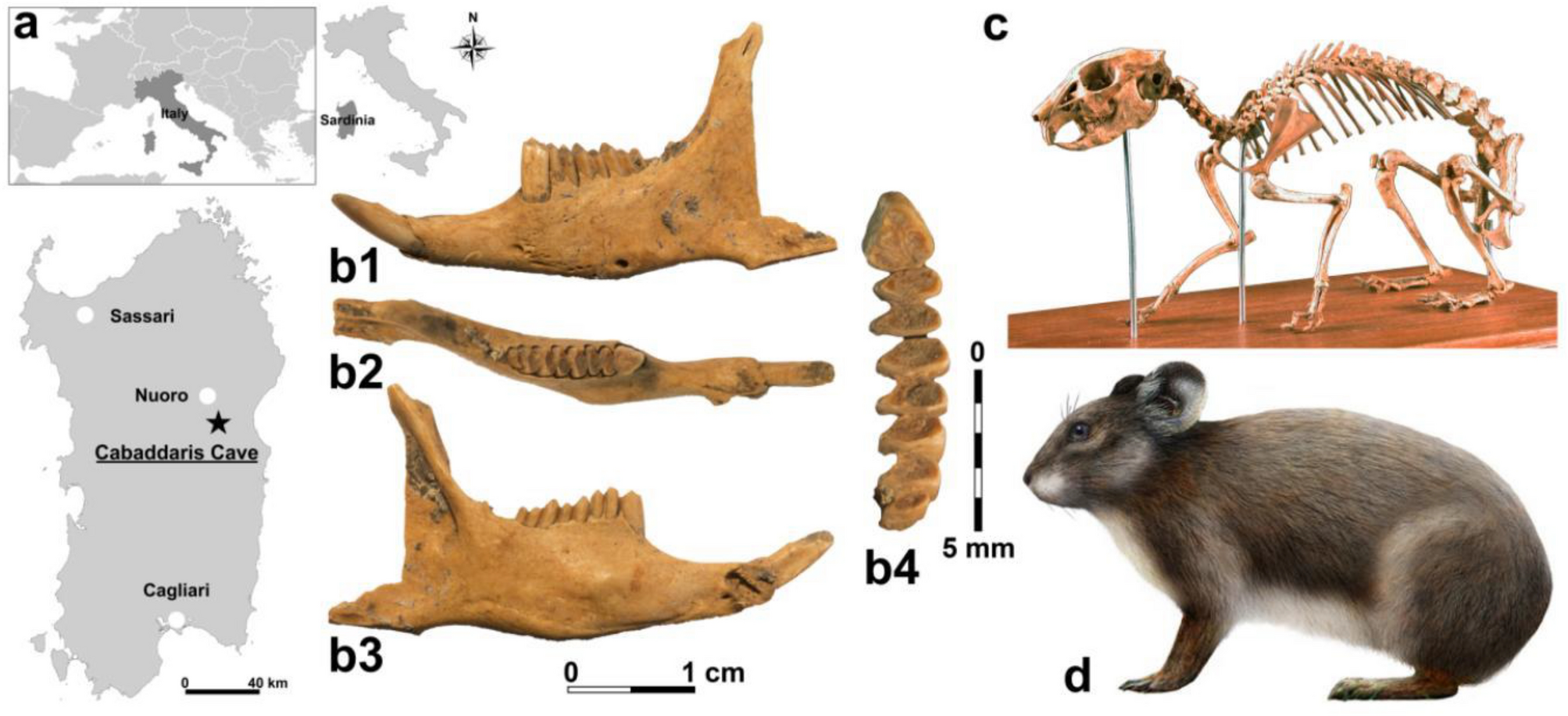
Palaeogenomics is contributing to refine our understanding of many major evolutionary events at an unprecedented resolution, with relevant impacts in several fields, including phylogenetics of extinct species. Few extant and extinct animal species from Mediterranean regions have been characterised at he DNA level thus far. The Sardinian pika, Prolagus sardus (Wagner, 1829), was an iconic lagomorph species that populated Sardinia and Corsica and became extinct during the Holocene. There is a certain scientific debate on the phylogenetic assignment of the extinct genus Prolagus to the family Ochotonidae (one of the only two extant families of the order Lagomorpha) or to a separated family Prolagidae, or to the subfamily Prolaginae within the family Ochotonidae. In this study, we successfully reconstructed a portion of the mitogenome of a Sardinian pika dated to the Neolithic period and recovered from the Cabaddaris cave, an archaeological site in Sardinia. Our calibrated phylogeny may support the hypothesis that the genus Prolagus is an independent sister group to the family Ochotonidae that diverged from the Ochotona genus lineage about 30 million years ago. These results may contribute to refine the phylogenetic interpretation of the morphological peculiarities of the Prolagus genus already described by palaeontological studies.
Check this paper and other documents on our website: https://worldlagomorphsociety.org/LagDocs/Papers ! Please feel free to share with us any other papers that you may be involved regarding wild lagomorphs!
7th World Lagomorph Conference
Tuesday, December 12, 2023
*** 22-26 JULY 2024, BELFAST ***
The World Lagomorph Conference brings together researchers and experts on rabbits, hares, and pikas from all over the world. This meeting is a great opportunity to share and exchange information on the evolution, genetics, morphology, physiology, behaviour, ecology, diseases, management and conservation of wild lagomorphs. Ordinarily every four years, we are hosting this meeting only two years after the 6th World Lagomorph Conference in Montpellier during 2022 to make up lost ground due to the COVID19 pandemic and maintain international momentum in the study of lagomorphs.
Queen's University Belfast is delighted to host the 7th World Lagomorph Conference (#WLC7) in collaboration with the World Lagomorph Society.
The WLC prides itself on being a forum for research postgraduate students and postdoctoral researchers to present their findings to promote their future research careers.
“We look forward to giving you a very warm welcome to Belfast in July 2024” Dr Neil Reid, Vice-President, World Lagomorph Society.
Genetics and Conservation on the broom hare (Lepus castroviejoi)
Friday, August 18, 2023
Genetic study on broom hare (Lepus castroviejoi) using non-invasive sampling (N = 185) and specimens (N = 22) reveals low diversity, introgression from mountain hare, and conservation urgency due to range limits and declines.
Check this paper and other documents on our website: https://worldlagomorphsociety.org/LagDocs/Papers ! Please feel free to share with us any other papers that you may be involved regarding wild lagomorphs!
Hares in Dublin airport
Friday, June 23, 2023
Dublin Airport hosts a thriving population of Irish hares, ten times larger than the national average. Conservation efforts and wildlife management plans are in place to mitigate aircraft collisions and protect the endangered species.
California's winter benefits wildlife, but rising waters endanger riparian brush rabbits. U.S. Fish and Wildlife relocates 360+ rabbits to higher ground. Climate change emphasizes the need to expand refuges for animals to cope.
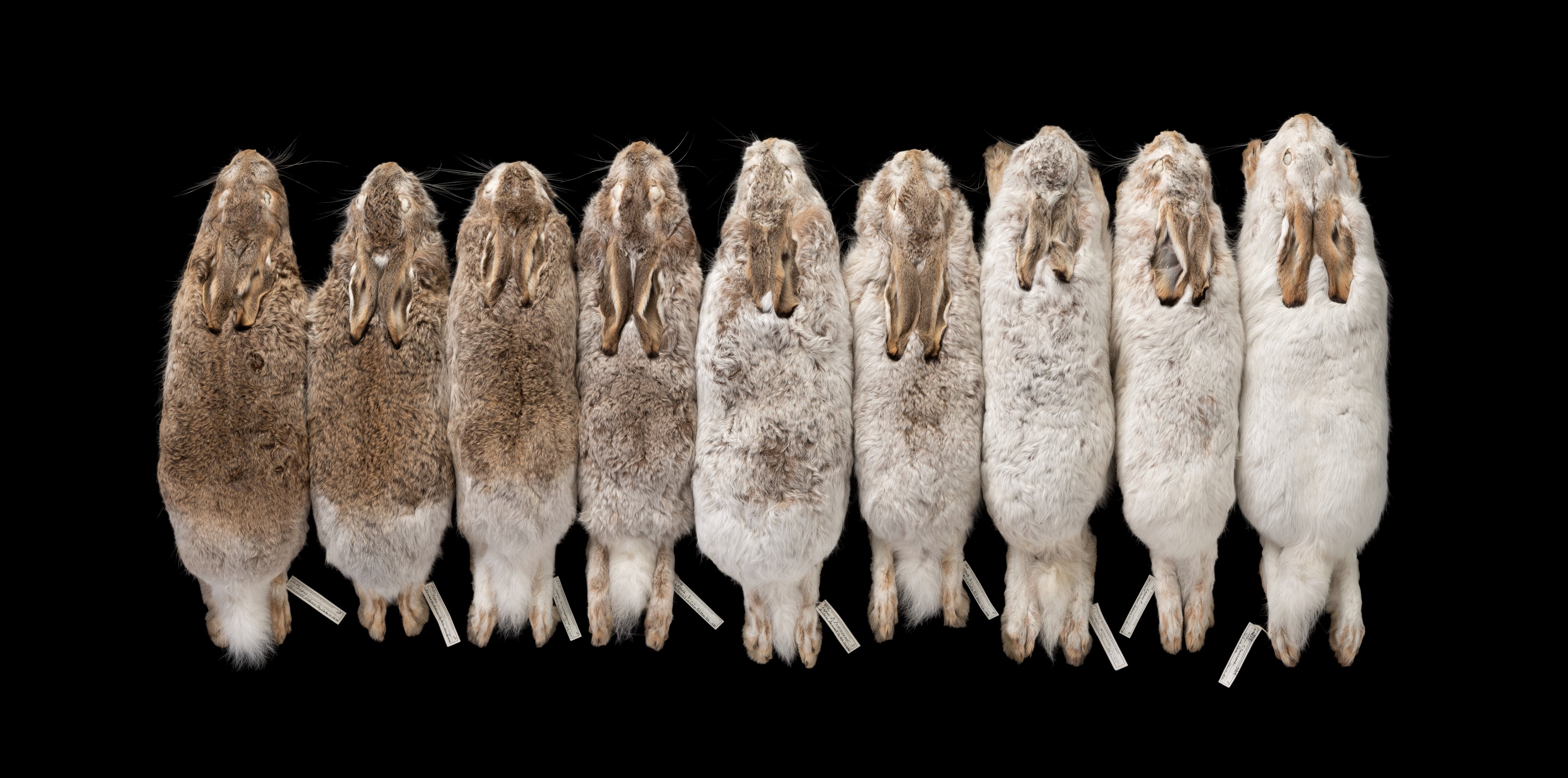
High-latitude mammal species' coat color adaptations may be disrupted by reduced snow cover, affecting survival. Snowshoe hares with whiter coats in autumn have better winter survival rates, impacting population dynamics amid climate change.
Check this paper and other documents on our website: https://worldlagomorphsociety.org/LagDocs/Papers ! Please feel free to share with us any other papers that you may be involved regarding wild lagomorphs!
A stem lagomorph (Megalagus turgidus) was found to be less agile than modern rabbit, due its proportionally smaller semicircular canals. Findings suggest that it had rabbit-like hearing sensitivity and locomotor behavior despite not being particularly agile.
Check this paper and other documents on our website: https://worldlagomorphsociety.org/LagDocs/Papers ! Please feel free to share with us any other papers that you may be involved regarding wild lagomorphs!
Nepal is using burning grasslands to protect tigers, but it's harming endangered hispid hares. Hare breeding period and grassland burning season coincide, putting newborn hares at risk of not being able to escape from fires.
Winter colour variation, white-tailed-jackrabbits and climate change
Friday, March 24, 2023
In this paper Ferreira et al. are able to link winter colour variation, in white-tailed-jackrabbits, to three key genes. Additionally, they simulate future scenarios of how this variation can help adaptive responses to climate change!
Check this paper and other documents on our website: https://worldlagomorphsociety.org/LagDocs/Papers ! Please feel free to share with us any other papers that you may be involved regarding wild lagomorphs!
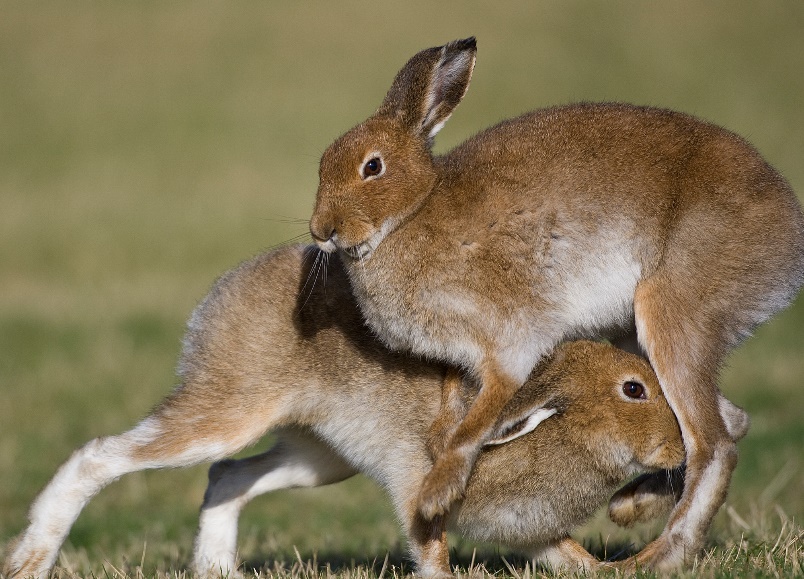
At this time of the year, sightings of "mad hares" are abundant. These hares get mad, due the beginning of the mating season. And what is often perceived as hares wrestling is actually a mating attempt!
The formation of new species takes a lot of intermediary forms. The formation of new families takes a lot of intermediary species, lagomorphs included! Check this article to know more about the groups, species and interesting fossils that lead to the Lagomorpha family!
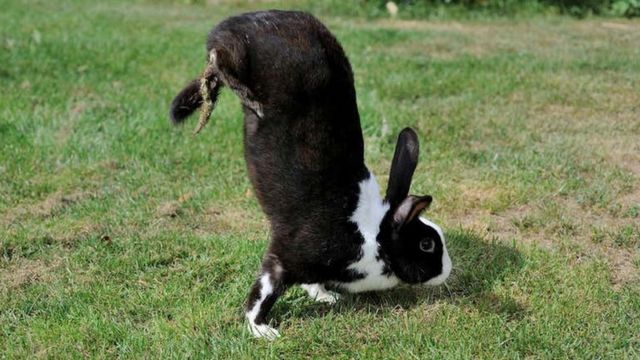
Ever heard about the sauteur d'Alfort rabbit? This rabbit breed is able to walk on its front legs! Turns out this is caused by only one mutation in the spinal cord!
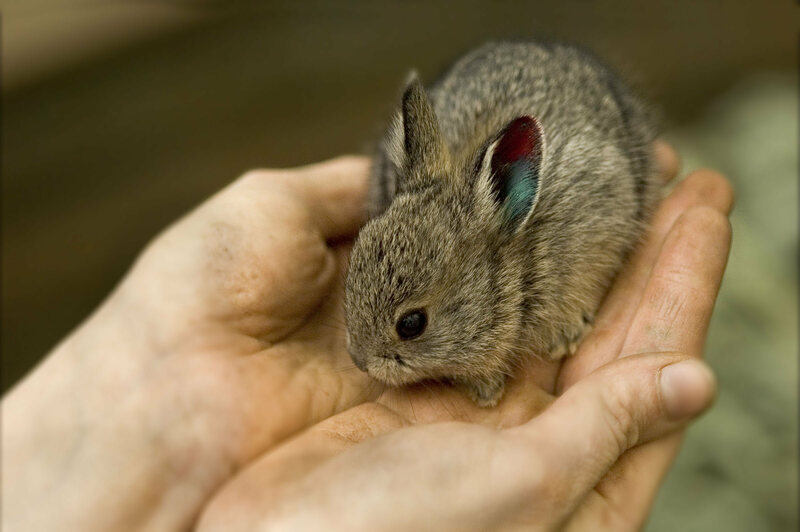
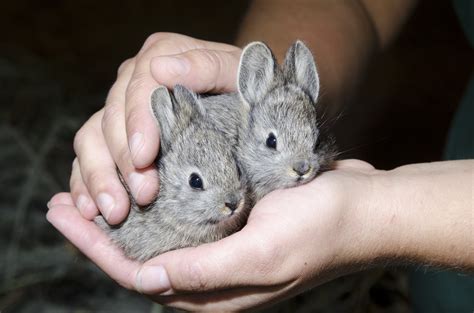
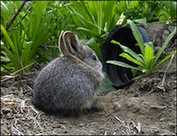
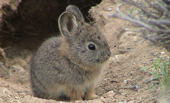
The Columbia Basin pygmy rabbit is the tiniest rabbit in the world and is of great conservation importance. Because of farming, wildfires, genetic pollution and low population size we might lose very soon the unique genetic heritage of this rabbit...
The Chinese new year begins on 22nd of January and this one oughts to be special, especially for lagomorphologists! It is the year of the rabbit! To get you in the mood, check this article by Emma Sherratt and learn more about rabbits, hares and pikas!
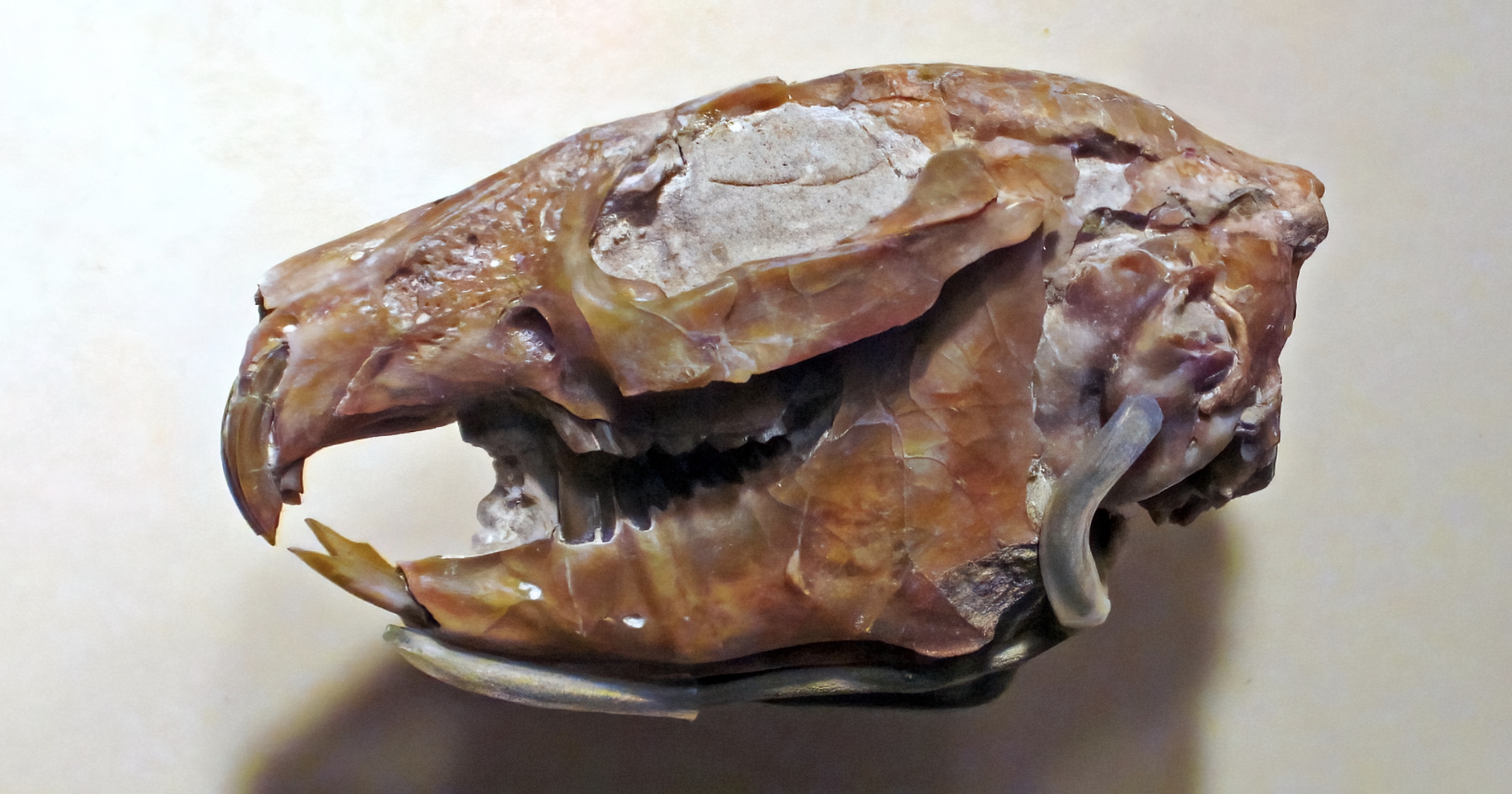
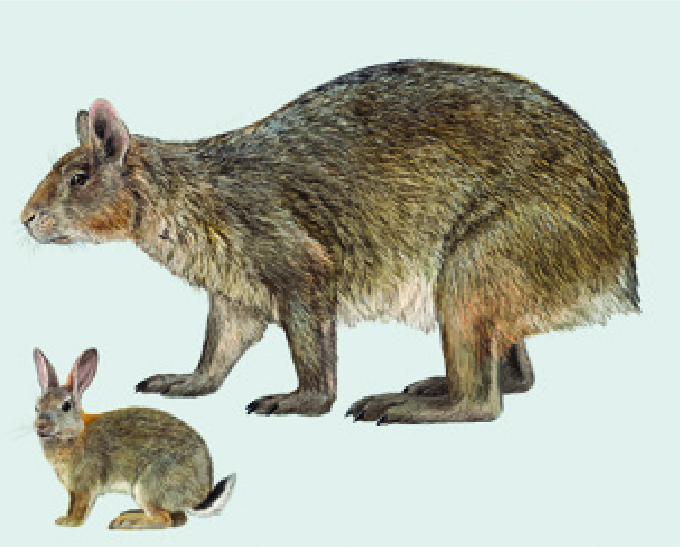
When we think of lagomorphs we think of cute and small animals like pikas and rabbits, right? Well, turns out, some point in time, there were pretty large lagomorphs, take the example of Nuralagus rex. This extinct lagomorph is the largest ever discovered and used to live in Minorca, an island in the Mediterranean sea, during the Pliocene epoch. To learn more about this lagomorph, check the link below!
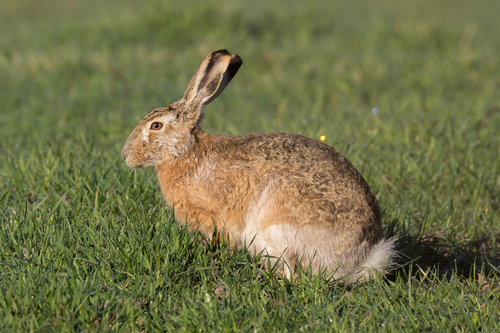
Eating in an extreme environment: diet of the European hare (Lepus europaeus) on Vesuvius
Friday, December 2, 2022
The diet of the European hare (from Mount Vesuvius) was described for the first time, using DNA metabarcoding and high-throughput sequencing on DNA extracted from faecal pellets. This gives insight for the trophic ecology of this species and adds crucial information for the management of the hare in Vesuvius.
Check this paper and other documents on our website: https://worldlagomorphsociety.org/LagDocs/Papers ! Please feel free to share with us any other papers that you may be involved regarding wild lagomorphs!
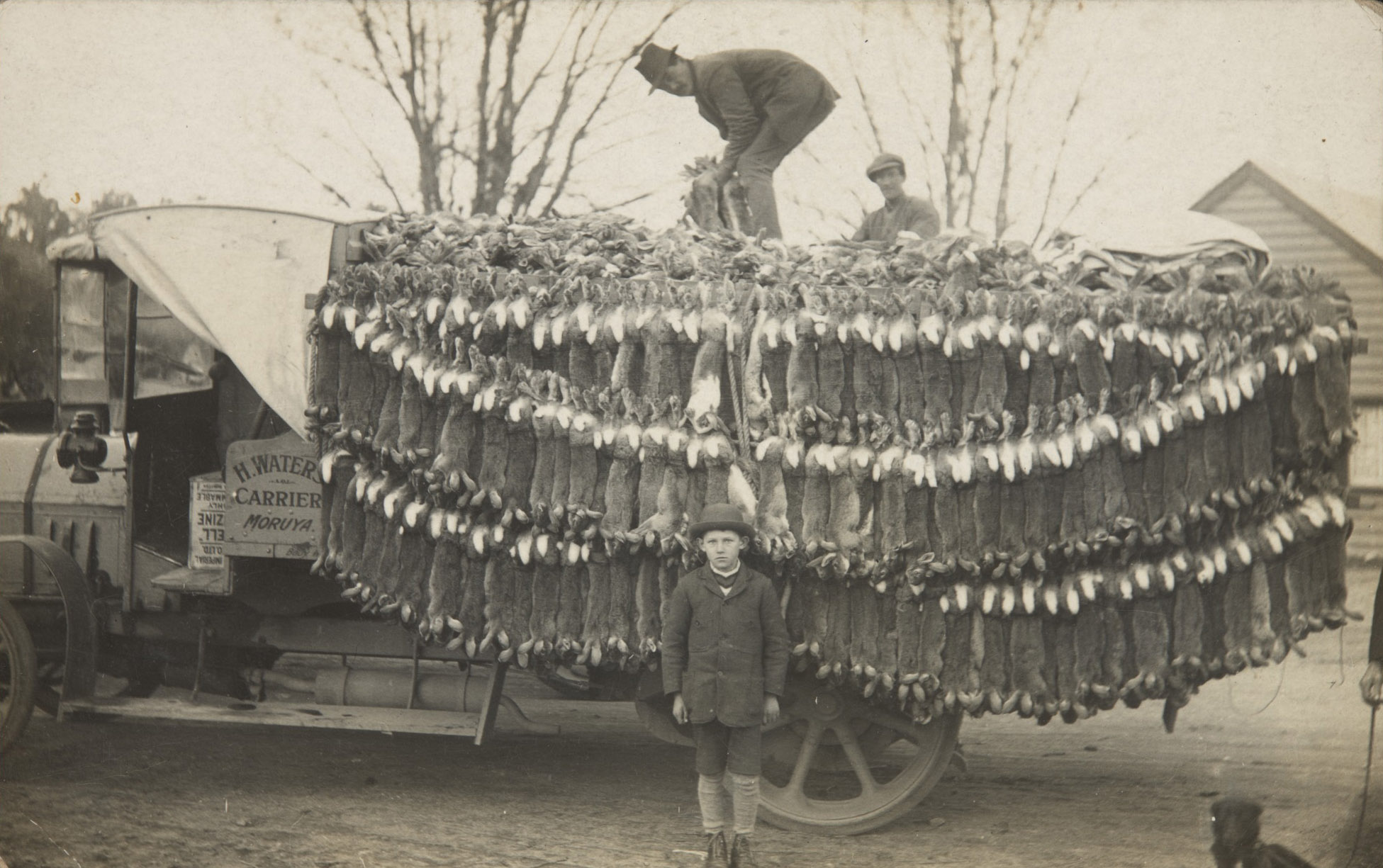
"A single introduction of wild rabbits triggered the biological invasion of Australia"
Wednesday, August 24, 2022
Biological invasions impact our society, economy and ecosystems, however, they are still poorly understood, especially from a genetic point of view. Here, Alves et al. (2022), with the aid of genetic tools and historical records, pore over on one of the most iconic biological invasions, the one of rabbits in Australia, and how it was triggered by a surprisingly small number of individuals, which were originated from England.
Check this paper and other documents on our website: https://worldlagomorphsociety.org/LagDocs/Papers ! Please feel free to share with us any other papers that you may be involved regarding wild lagomorphs!
This summer, the 6th World Lagomorph Conference took place in Montpellier, France. Participants, from students to senior researchers, from all around the world presented and discussed the recent findings in lagomorph research and management. The World Lagomorph Conferences, organized on behalf of the World Lagomorph Society, are the main event for lagomorph researchers around the globe and will start to happen every two years (previously it was every four years)!
During the conference, the World Lagomorph Society held a General Assembly, at which a new board was elected, and the location for the next Conference was selected…. The 7th World Lagomorph Conference will be held in Belfast! See you all soon!
Follow the link below to see some photos from the Conference (big thanks to Guillaume Souchay)!
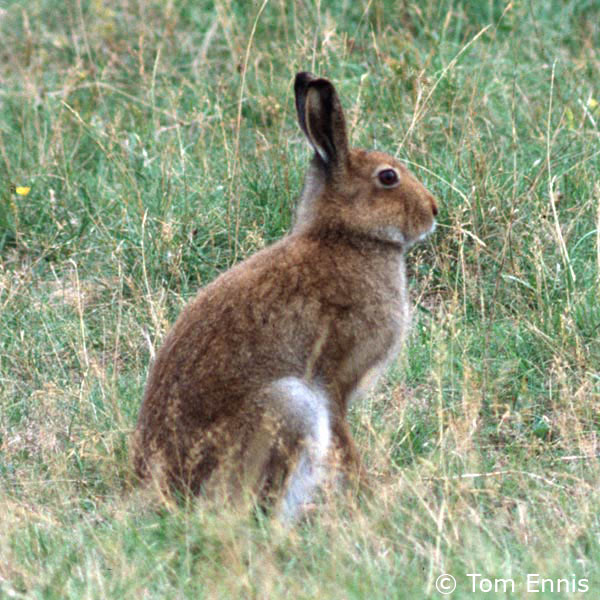
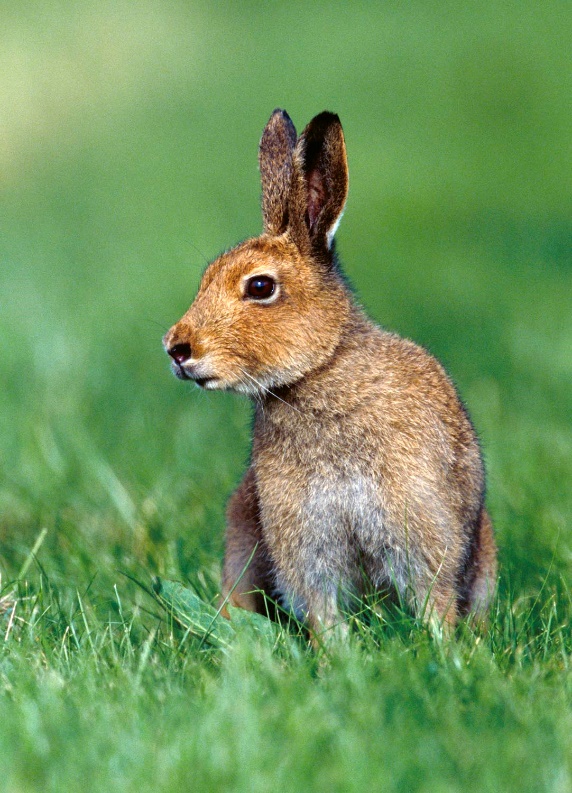
The Irish hare (Lepus timidus hibernicus) is an endemic lagomorph to Ireland, therefore it is crucial to ensure its long term survival. This is precisely why recent outbreaks of the Rabbit haemorrhagic disease virus 2 (RHDV2) in the country are so terrifying. To learn more about this disease in the country, check the link below!
Check this paper and other documents on our website: https://worldlagomorphsociety.org/LagDocs/Papers ! Please feel free to share with us any other papers that you may be involved regarding wild lagomorphs!
Despite being small mammals, hares can still roam for quite some distance. Ever wondered what is the longest trek ever recorded by a hare? Check the link to find out!
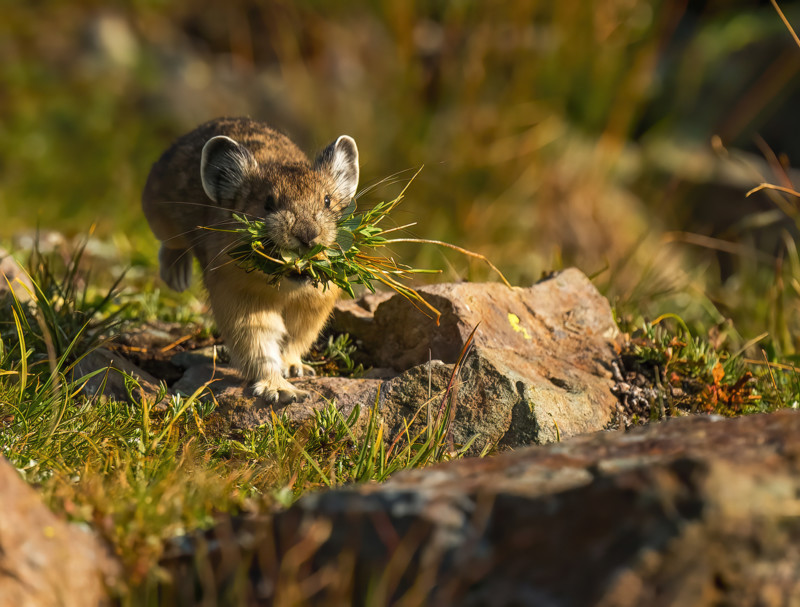
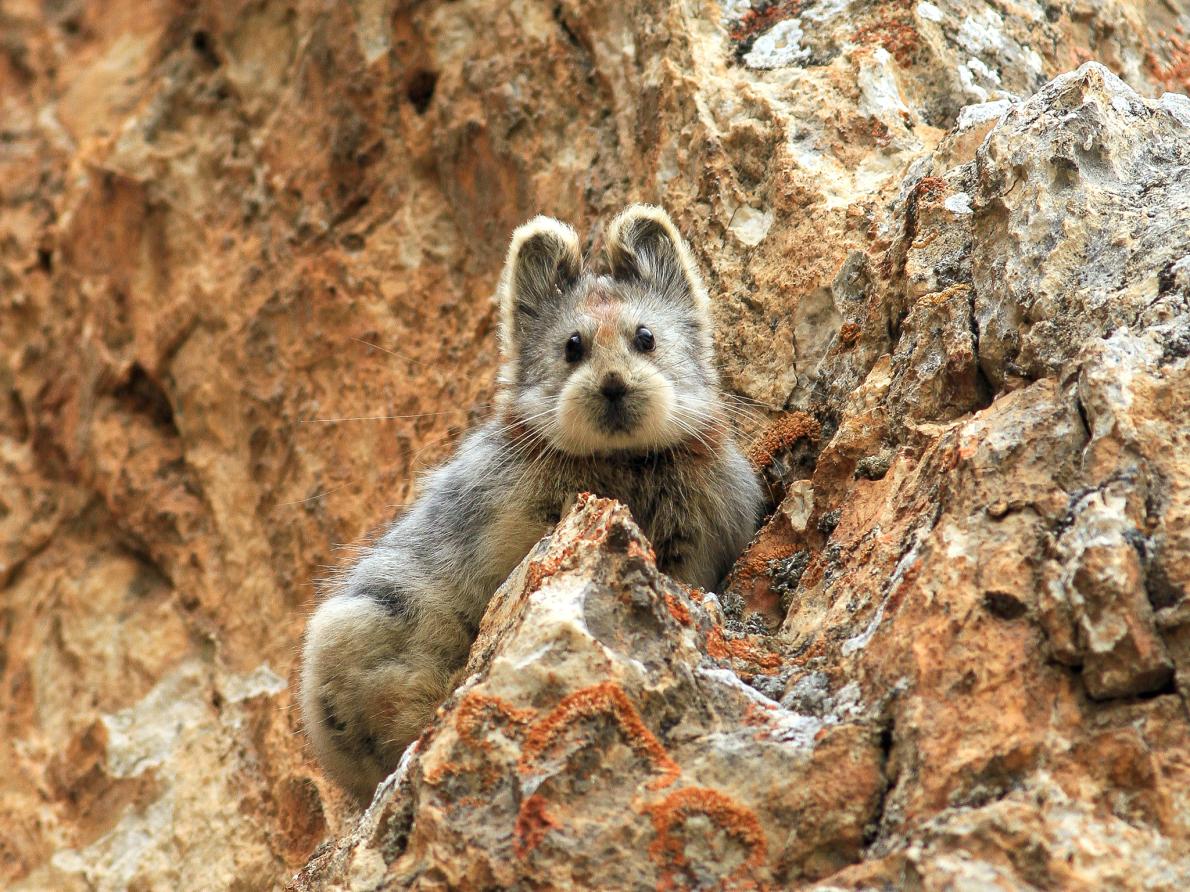
Check this testimony by Deirdre Denali, a wildlife photographer, of how she takes photographs of pikas. And seize the opportunity to see some lovely photos of these animals!
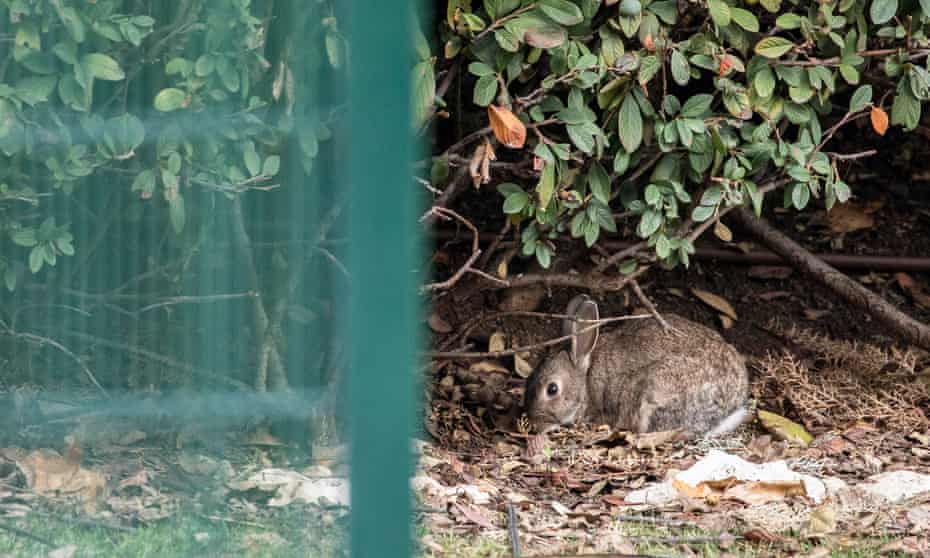
The capital city of Spain, Madrid, is currently suffering from a rabbit plague, especially the suburb zone of Carabanchel Alto. Apparently, as infrastructures and roads were built in this area, the natural predators of the rabbit migrated to other places, leaving the rabbits here alone and without any type of natural regulation of the populations, what lead to a tremendous increase in the population size. These rabbits are having negative effects, as they are destroying gardens, vegetable patches, etc. However, these leporids also pose a health hazard, indeed there was an outbreak of a parasitic disease 12 years ago in a nearby city. This shows how these rabbits can be a serious sanitary problem, as a similar outbreak of this or other disease can occur at any moment in this area, it is also worthy to remember that there may be serious health risks posed by exposure to rabbit urine and excrement. Some schools have even already closed their playgrounds to avoid direct or indirect contact between rabbits and children.
The plateau pika (Ochotona curzoniae) is a keystone species in plateau ecosystem in China, however little is known regarding their role in he evolution and transmission of viral pathogens, especially coronaviruses. In this paper, Zhu et al. characterize and study the evolution of new alphacoronavirus, named plateau pika coronavirus (PPCoV), this discovery increases the host range of alphacoronaviruses to a new order: Lagomorpha. Therefore, the plateau pikas may play an important long-term role in alphacoronavirus evolution.
Check this paper and other documents in LagDocs! Please feel free to share with us any other papers that you may be involved regarding wild lagomorphs!
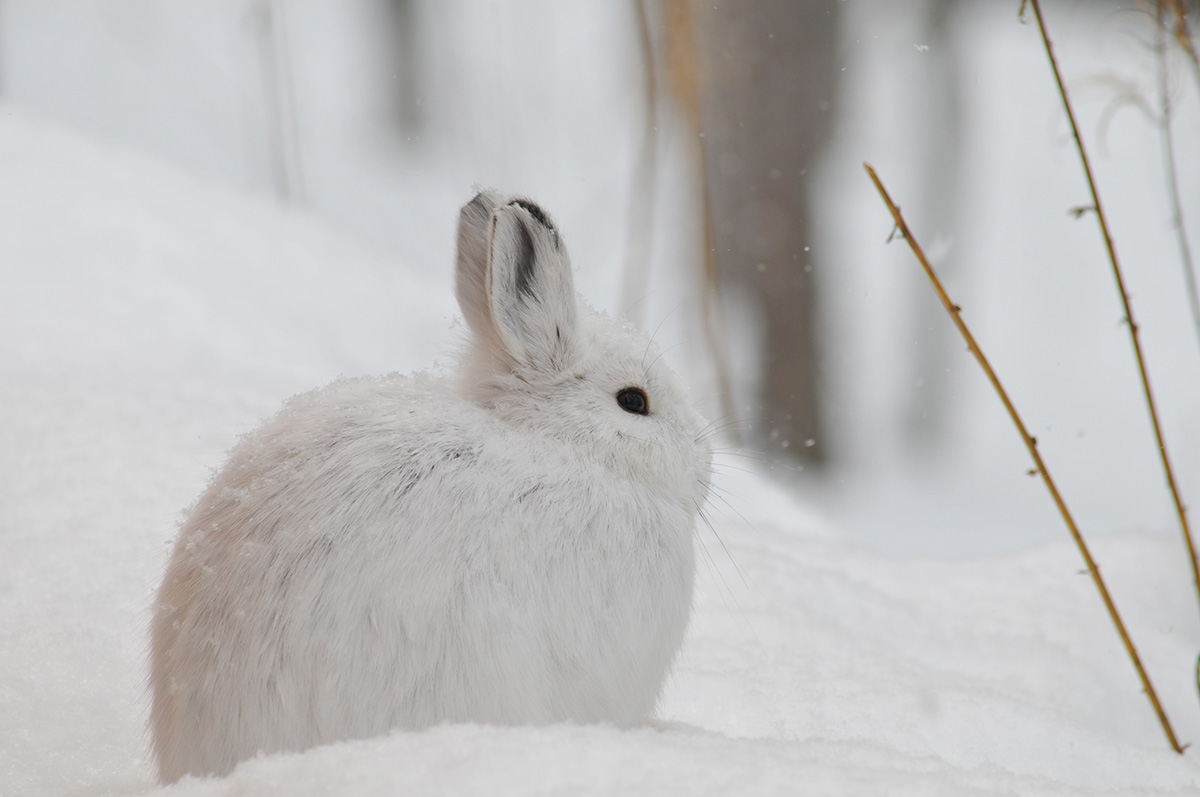
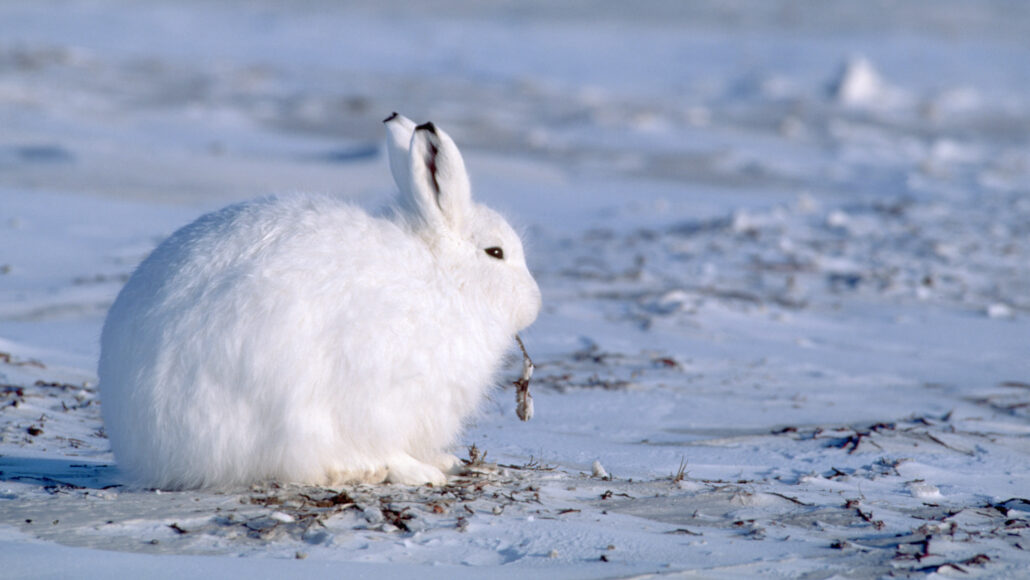
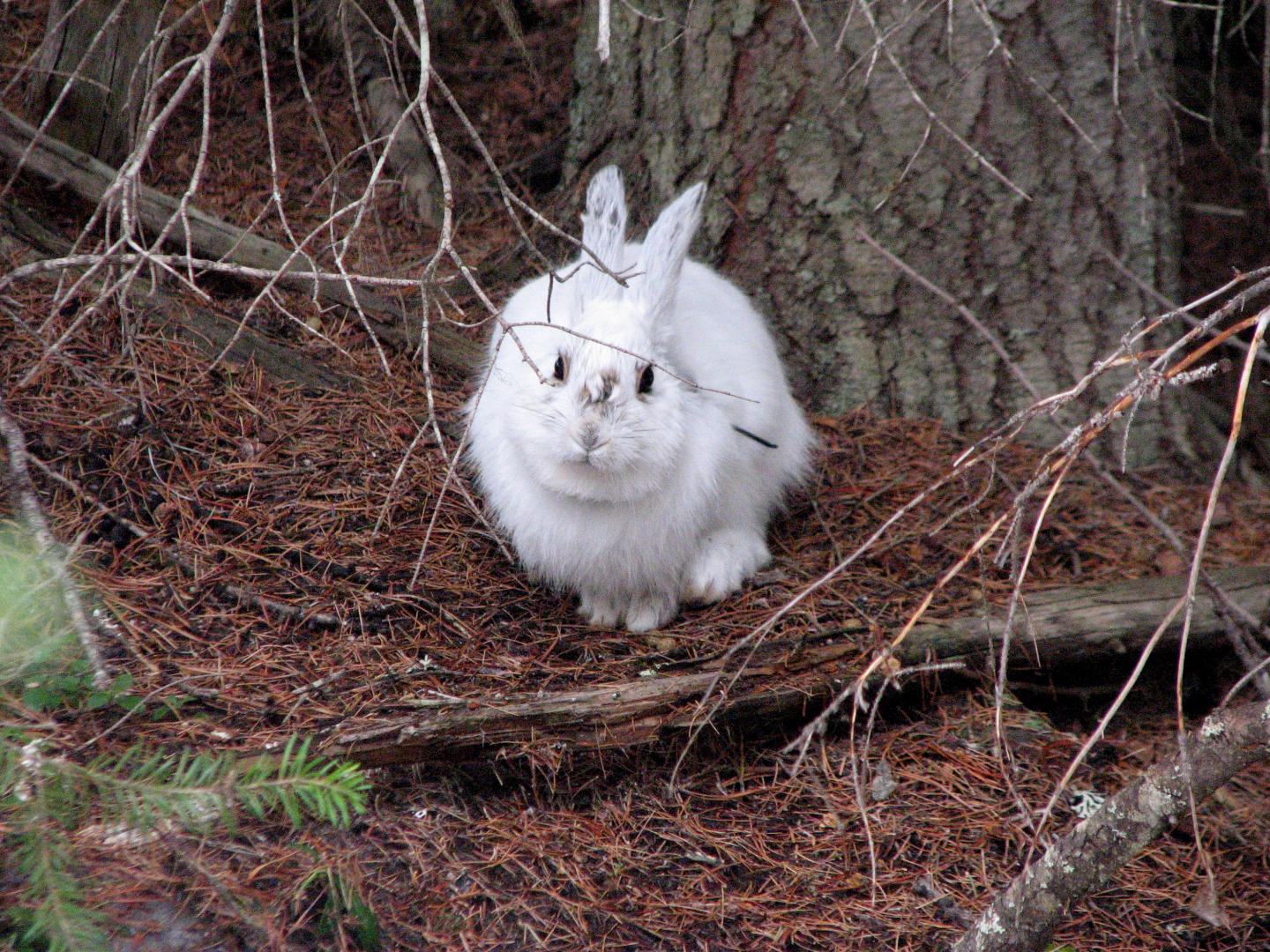
Snowshoe hares change their color coat according to the season. During warm months, they adopt brown and dark colors, which helps them blend into their surroundings. As autumn arrives, the hares pelage is replaced by white fur helping the hare to blend in snowy backgrounds, the main goal of this mechanism is to avoid detection by predators. Due the global warming, it has been noted by some researchers already that there is an increase in occurrence of mismatches between season and color in these hares, this way mortality would be expected to increase in the hares that present a "mismatch" phenotype. But now researchers have found that this does not occur, in fact hares that mismatch their color coat with the season seem to die less... This is likely related to the time these hares were foraging, as they spent 17 to 77 minutes less looking for food than in other seasons. Nevertheless, they did not seem to suffer from more hunger as their metabolism rates were lower. These results are very intriguing indeed!
The pygmy rabbit populations in Columbia Basin were extirpated in the wild in the early 2000's and the Washington Department of Fish and Wildlife have been involved with active reintroductions to establish multiple self-sustaining populations in the former range. To do so, they manage several semi-wild breeding enclosures, where adults are held in large enclosures and each spring juveniles born are released in the wild. Unfortunately, one of the areas where they work, Burton Draw, was completely destroyed by the Pearl Hill Fire in 2020. This was devastating to their efforts for multiple reasons. The developing wild population was completely lost, breeding enclosures were destroyed, all the juveniles in the acclimation sites released that spring didn't survive and the fire was so large that the habitat here will uninhabitable to these rabbits for the next 15-20 years. Despite this, their recovery efforts continue. Enclosures are being rebuilt, releasing efforts are being maintained in other recovery areas and, most difficult, they will have to establish new areas for future reintroductions, as, due to losing this area, efforts will need to be relocated.
WLC6 - Abstract Submission now open!!!
Sunday, October 3, 2021
Dear Lagomorph Researchers,
We are pleased to announce that the abstract submission for oral and
poster presentations at the 6th World Lagomorph Conference is now open,
until the 31 January 2022 !
Abstract submission via the WLC6 conference website:
The 6th World Lagomorph Conference will be held from July 4-8 2022 in
Montpellier, France.
The 6th World Lagomorph Conference in 2022 is mainly planned as an
in-person event, respecting all local sanitary regulations to ensure
maximum security of all participants. In addition, we will offer the
possibility of online conference participation, including the
opportunity to participate in the discussions after each talk. The
registration of oral and of poster presentations will require an
in-person participation.
The World Lagomorph Conference, which takes place every four years,
brings together researchers and experts on rabbits, hares, and pikas
from all over the world. This quadriennal meeting organised on behalf of
the World Lagomorph Society is a great opportunity to share and exchange
information on the natural history, ecology, evolution, behaviour,
physiology, genetics, morphology, diseases, management and conservation
of wild lagomorphs.
We look forward to welcoming you in Montpellier, in the beautiful south
of France!
Heiko G. Rödel [on behalf of all members of the WLC6 organizing team]
The new rabbit hemorrhagic disease virus (RHDV2) was, firstly, detected in 2010 in France. In the meantime, it has been expanded all over the world, recently it has been also discovered in Minnesota for the first time with the death of two domestic rabbits.
Viral Disease in Lagomorphs: A Molecular Perspective
Tuesday, September 7, 2021
Lagovirus have been caused nefarious consequences to wild and domestic populations of lagomorphs, some examples include the myxoma virus or the rabbit hemorrhagic disease virus, therefore it is important to know more about this virus in order to better protect and conserve species that may be susceptible to them. In this chapter, Dalton et al. "summarize molecular aspects of viruses that infect lagomorphs, paying particular attention to recent interspecies infections."
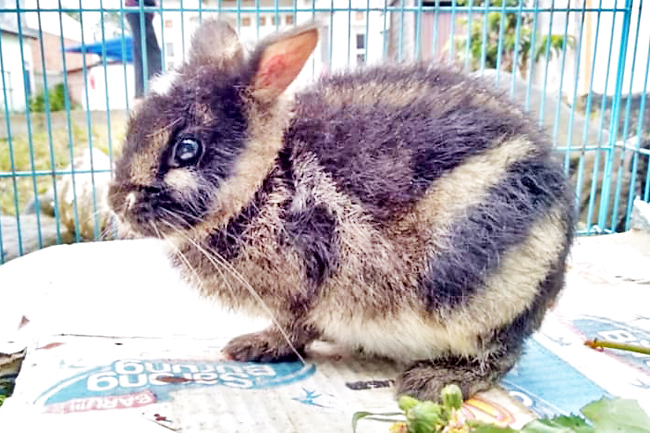
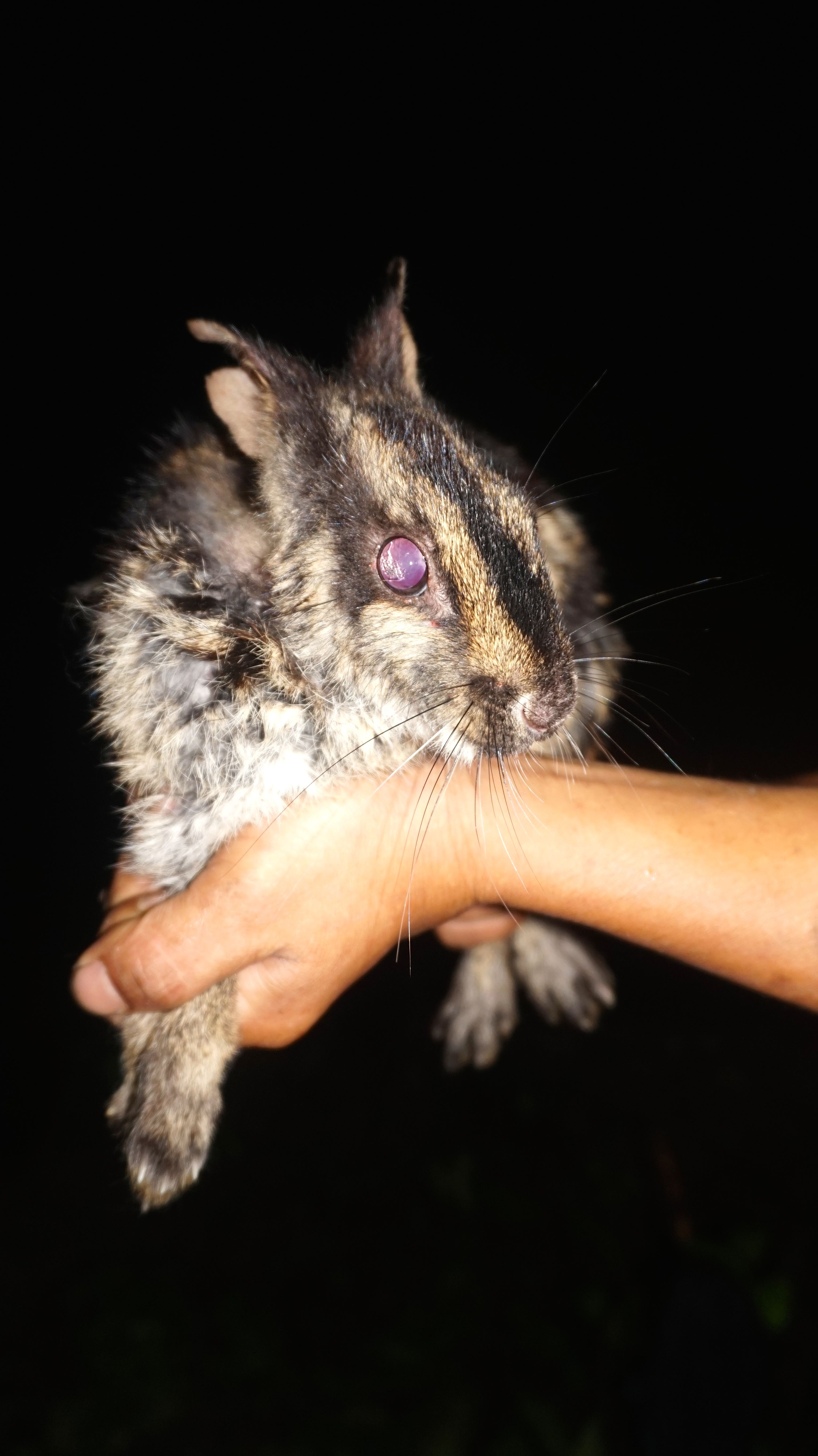
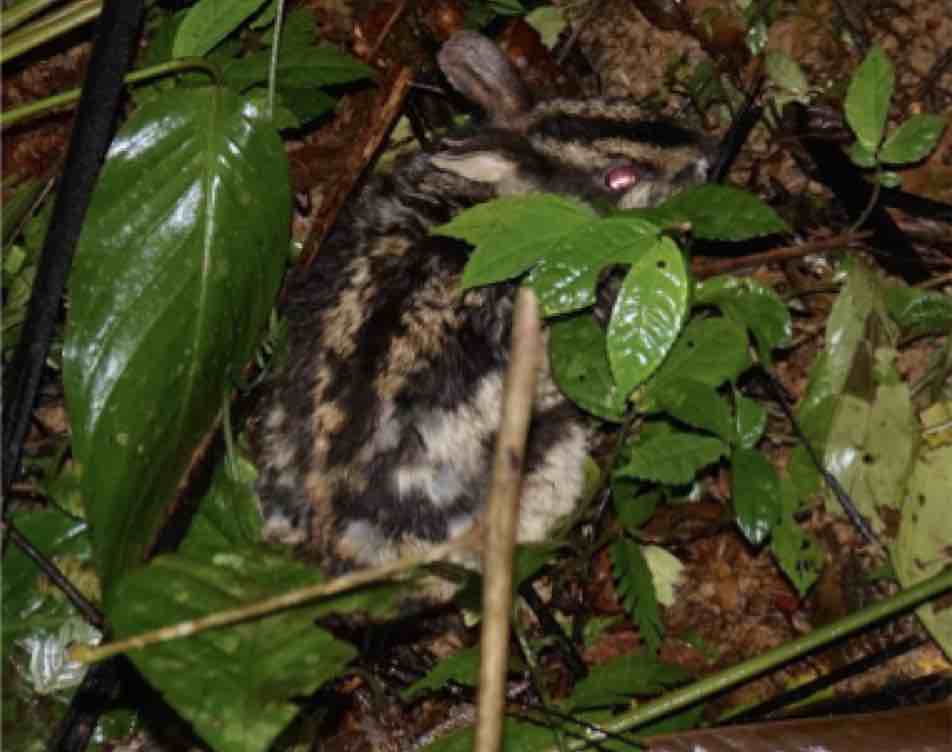
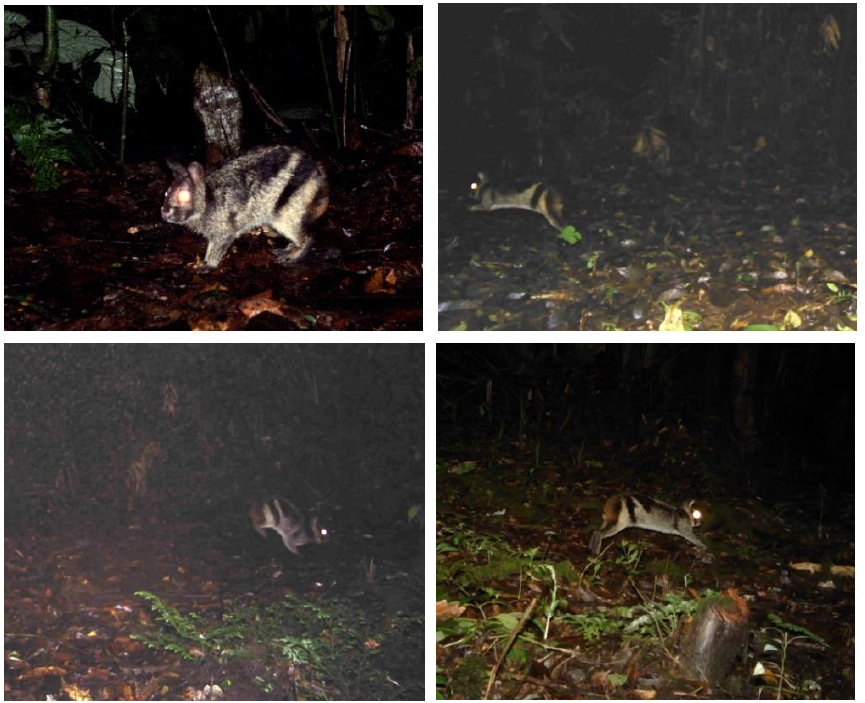
The traffic of wild endangered animals is a very serious problem, as it can lead to the extinction of these species. Recently, an advertisement to sell a Sumatran striped rabbit, a very rare lagomorph, was spotted on Facebook. The Indonesian authorities were quick to track down the would-be seller and rescue the priceless animal. This rabbit is now being held in safe custody and presents an outstanding opportunity to research and learn a bit more about this mammal.
To deal with the harsh conditions that winter presents, many animals either hibernate or migrate, but the plateau pika in northwestern China does neither. Therefore a question arises: how does this lagomorph is able to survive the winter? After 13 years of research, scientists have solved this enigma, showing that these animals during this cold and dry time, slow down their metabolism and, surprisingly, supplement their usual diet of plants with yak droppings! Learn more in the link below!
The European rabbit (Oryctolagus cuniculus) is the only lagomorph species domesticated by humans, what leads to the question: Why weren't other species domesticated for instance New World rabbits? This is the question that Somerville and Sugiyama try to answer in this recently published paper. They argue that the main cause lies in behavioral differences between species.
Check this paper and other documents on our website: https://worldlagomorphsociety.org/LagDocs/Papers ! Please feel free to share with us any other papers that you may be involved regarding wild lagomorphs!
The boom-bust cycle of the snowshoe hare and the lynx is a very interesting one. Briefly, when there are a lot of hares, lynxes eat more and survive better, meaning more individuals will reach adulthood. Which in turn, leads to a bigger predation of hares to demand the lynxes expectations. However, every 9 to 11 years, this results in the sudden and significative decrease of hare population, leaving the lynx hanging.
The rabbit plague in Otago, New Zealand, has been growing bigger and bigger. This population was introduced, and as the rabbit does not have predators here, it presents an ecological disaster and jeopardizes the endemic biodiversity. Thus, in this region, a group of people started hunting these animals to sell the meat, to either human consumption or pet food, in a profitable way!
Ever heard about the sauteur d’Alfort rabbit? This rabbit occasionally moves by lifting its back legs over its head, scrambling along the ground on its forelimbs (see the video in the link)! This fantastic and strange feature has now been linked to a single mutation in one gene (RORB), which protein is a transcription factor, meaning it controls the activity of other genes. This discovery may also be important to understand the evolution of locomotion and to treat human diseases.
The Rabbit Hemorrhagic Disease Virus 2 (RHDV2) continues to spread in the U.S.A. and so far has been reported in Montana, Utah, Colorado, Arizona, Nevada, New Mexico, Texas, California, Washington, Florida, New York and Wyoming. In this last state, however a signal of hope emerges, a new rapid test was developed, which retrieves results "in a couple of hours", whereas it used to take a few days. Thus, possible outbreaks can be recognized much faster, what is extremely important to monitor this disease. This can be a crucial step in the fight against this disease, that still does not have a cure, and is capable of affecting all species of lagomorphs.
In Scotland a movement to introduce the Mountain hare in Langholm has emerged. This hare species, once thrived here, but became extinct at the site around the early 2000s. This movement is becoming possible thanks to a big engagement by the community to create a nature reserve. This can be very good for the habitants of Langholm and to the hare, as it is estimated more people will visit it, thanks to the hares, and these will return to a place where they, previously, faced extinction. It should also be good for the ecosystem, as they can be a potential food source for the golden eagle.
England's last surviving population of mountain hares, in the Peak District, may be under threat because of global warming, according to a conservation group. Mountain hares went extinct in England, during the last ice age, nevertheless, populations were reintroduced here, most perished, but this one, in the Peak District survived until today. Due the climate change, this hare may suffer severe consequences, as is adapted to colder climates, however, this specific population is among the ones at higher risk, due to being isolated from others, and to not have a large population size, about 2500 individuals.
Why Scottish hares are not changing their molting habits?
Friday, January 8, 2021
Camouflage is a very used strategy to avoid predation, hares, use it, for example, and even change color according to the seasons. Generally, in summer they are brown and in winter they turn white, nevertheless, winters have been getting hotter, decreasing the amount of snow in this season. Using data from 1950 and from present time, a team of researchers in Scotland observed that scottish hares are still using the same timing of molting, as it they were in 1950, despite now existing less snow. Because of this, hares now are a lot less camouflaged during periods between seasons, as their camouflage does not match with surroundings. This can make these hares more susceptible to predation. In Montana, hares however, hares are changing molting periods... Wanna know why hares in Scotland are not changing? Check the video in the link below.
It seems that 2020 is the year of virus and leporids are no exception... The new rabbit hemorrhagic disease, RHDV2, which has been detected earlier this year in some USA states, such as Nevada, Colorado, Texas and Arizona, and as well in other parts of Mexiso, seems to still be spreading. The last American state to report this virus was Utah, in both northern and southern territories. This virus, which do not cause any harm to humans, is very lethal now to both rabbits and hares (the previous form only affected the European rabbit). It is categorized as a "very swift and sudden killer" as many animals do not even show symptoms that they are infected, most of the damages are internal, another characteristic of this virus is that it can survive for months in the environment and can be easily spread through direct or indirect contact. There is still no cure for it too.
Megagalus turgidus is an ancient relative of nowadays rabbits, presumably it lived 34 million years ago and weighted around 2k. A skull of this lagomorph was found in the 40's and was used to create a virtual cast of the brain. This cast is very important as it details information on the size of basic parts, on blood vessels and cranial nerves. Interestingly, it seems that modern rabbits have slightly more developed brains than Megagalus... But the importance of this cast is not restricted to rabbits or lagomorphs, it can lead us to very important discoveries on the evolutionary biology of a larger group, the: Euarchontoglires, which includes rodents, lagomorphs, treeshrews, colugos and primates.
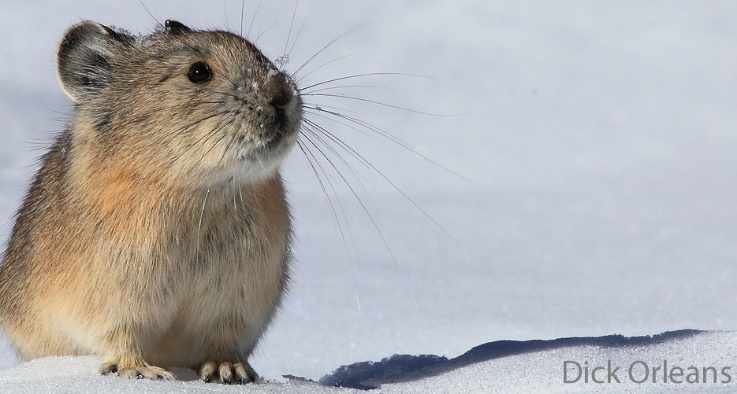
Pikas are one of the most iconic species in North America. These little lagomorphs are prone to overheat at high temperatures, what would make us assume that they would handle badly the climate change right? Wrong, according to Andrew T. Smith they seem to be doing very well, indeed they "are able to tolerate a broader set of habitat conditions than previously understood". For now scientists believe they might be slowly migrating further up the mountain to cooler conditions as climate heats up every year, but obviously there will be a point where they can't go any higher. And of course, just because pikas overall are handling relatively well the global warming, this may not be true for all populations, so we must pay attention to particular populations which may be more vulnerable, especially in regions of low-elevation, in isolation, with less resources and with higher temperatures. If in some regions the pika disappears, these may not be recolonised due to the poor ability of these animals to disperse. So it is very nice to know that there are species such as the pikas that can tolerate the climate change that we are witnessing, but, on the other hand, we must not forget that even they have their breaking point.
Hare coursing is an ancient and traditional activity in Ireland. Hares are usually captured prior to these coursing events and hold in dedicated parks for them, and after coursing the ones that were not used are returned to the wild. The NPWS (National Parks and Wildlife Service) is spending €135,000 on a study that pretends to "monitor the survival and movement of hares that have been returned to the wild after being coursed", in order to properly evaluate the behaviour and survival of these coursed hares and also the importance of releasing the hares where they were captured, against in random locations. It is important to note that this study comes at a time where a lot of movements begin to rise against this practice in Ireland.
Do you know the differences between hares and rabbits? Some obvious and easily seen features are that hares are much larger, have longer ears and are less social than the other members of the family Leporidae. But the more significant differences are indeed between baby rabbits and baby hares, as hares born much more developed than rabbits. If you wanna know more and understand why "Bugs Bunny is a fraud" read the link below!
Due to travel restriction associated with Covid-19 the organising committee decided to postpone the 6th World Lagomorph Conference to 2022. Please check out the new website and stay patient until lagomorphologists from all over the world will gather in Montpellier, France!
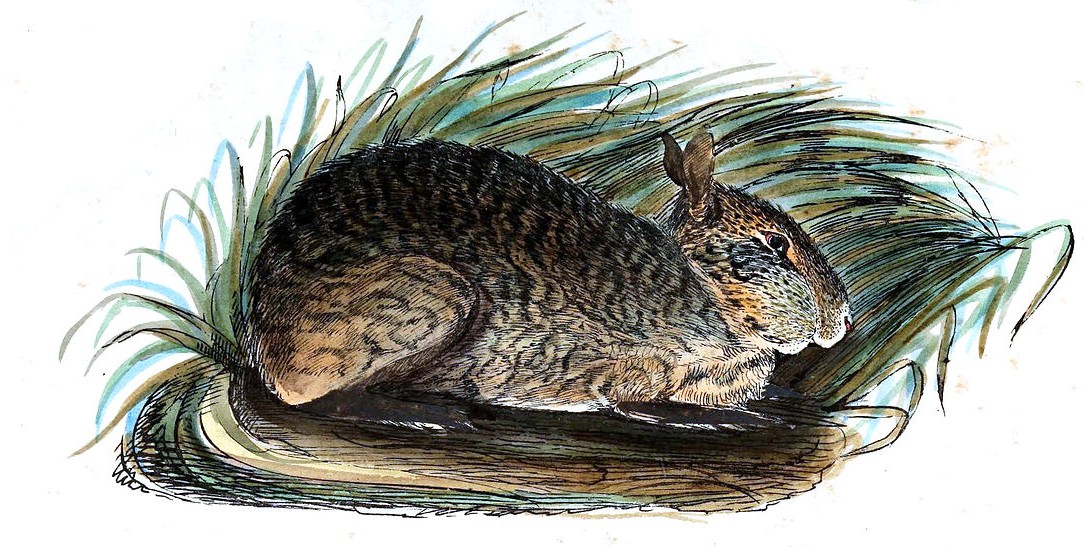
The rabbit from the Portuguese island Porto Santo (belonging to the Madeira archipelago) is very different from the European rabbit, intriguing even Charles Darwin himself! We know that these individuals descend from an introduction of Oryctolagus cuniculus somewhere in the 12th century, some argue that the population originated with only one couple. Through genetic studies, we now know they are still Oryctolagus cuniculus which may be in speciation process.
In the Canadian town of Banff, measurements to restrict pet rabbits (Oryctolagus cuniculus) in houses are being considered, as in the past five years a total of 20 feral rabbits were found. The city fears that a similar infestation that happened to a neighboring city can happen to them. In this neighbor city, Canmore, a dozen or more domesticated rabbits were released in the 1980s and quickly become a plague. Since the initial introduction, 1 662 rabbits were exterminated and $482 517 were spent in this process. This shows the incredible adaptation and efficiency in occupying areas to which this lagomorph is not endemic and how quickly it can do it.
The rabbits plague in Australia seems very far to be solved ... Places in the Fleurieu Peninsula have reported new increases in the rabbit population in very little time, just six months! Indeed, locals believe the situation is worse than it has ever been! This will have an economic loss as these rabbits will damage crops, pastures, gardens, and others... For now possible responses to this infestation include biocontrol, localised baiting and burrow destruction.
Nowadays, the Myxoma virus is regarded as deadly and extremely dangerous, but did you know that in preliminary studies it was labeled as a failure? In 1950, scientists started to test this virus in order to restrain the European rabbit's plague in Australia. In the first introduction of the virus, it was projected that 4,500 rabbits would be killed, but only a mere total of 77 carcasses were located. However, some months later, the true deadly potential of the virus was easy to observe, in some locations a percentage of 100% of the rabbits were killed. The reason why it took so long to kick off is related to the transmission of the pathogen, scientists at the time neglected the fleas and mosquitoes as vectors of transmission, today we know they play a major role in the propagation. Even that, in Australia, most rabbits developed immunity, this action is considered to be "the largest and most successful biological control effort in history"! Shamefully, it was introduced in other places, where it shouldn't have been and caused great damages to rabbit population and to entire ecosystems in France, Spain, Portugal and other European countries ...
Carcasses of snowshoe hare feed more animals than previously thought
Wednesday, July 29, 2020
Lagomorphs are generally regarded as keystone species, but, in the Canadian boreal forest, snowshoe hares go one step further, feeding even more species than previously suspected! A total of 24 species was recorded feeding on carcasses of this hare species, including some common scavengers such as wolverines and magpies, but also other snowshoe hares, red squirrels and others! This reinforces the importance of this species to its ecosystem!
The rabbit hemorrhagic disease (RHD) is a deadly virus that caused great declines in rabbit populations throughout the world. In 2010, a new dangerous form, RHDV2, emerged in Europe and reached North America in domesticated rabbits, which then transmitted this virus to local wild populations, for now reaching seven of the fifty states of the United States of America. This virus can cause enormous damage in wild populations of rabbits, hares and pikas, unfortunately the hardiness and transmissibility of this virus make the experts believe that there is not much to be done, unless to wait to see what is left... Still, there is hope, as a vaccine for this virus is being developed!
It is our pleasure to inform you that the new date for the 6th World Lagomorph Conference has been fixed: The conference will take place from the 14-18 June 2021 in Montpellier, France. Very soon, you will find updated information on our website about the organizational schedule, such as the opening the date for abstract submission.
We are looking forward to welcoming you in Montpellier next year!
The disappearing striped rabbits of Southeast Asia
Thursday, April 2, 2020
The genus Nesolagus contains two extant species that are endemic to Southeast Asia: the Sumatran striped rabbit (Nesolagus netscheri) and the Annamite striped rabbit (Nesolagus timminsi). The species are similarly striking in appearance, with large, dark stripes along their flanks, resulting in uncharacteristically bold markings for a lagomorph.
Despite their unique appearance, both species remained largely unknown to researchers until relatively recently, and many local people are unaware that the species is protected, or are apathetic.
Habitat loss, degradation and fragmentation, also rapidly increased poaching are a massive issue in Sumatra and are closely tied to complex political issues. Increasing awareness is therefore a priority. This final report by Jennifer McCarthy and Andrew Tilker on behalve of the IUCN SSC Lagomorph Specialist Groupd gives a summary of the recent study on both species.
Unfortunately, we have to inform you that the 6th World Lagomorph
Conference will not take place in July 2020, but will be postponed by 1
year, to July 2021. I am sure you can understand our decision to cancel
the conference date in July 2020; the current situation related to the
worldwide spread of COVID-19 left us no other choice.
Furthermore, we suggest to organise at least a 1/2-day online
conference session this year, during one day of the original conference
week (6-10 July 2020). This will give us the chance to have some
stimulating exchanges and discussions on current topics in lagomorph
research, framed by 2 or 3 of the originally planned conference work
shop topics. We will inform you soon about the details, including the
exact date and the link via which you can connect to this online
conference. The access will be for free, also for persons who haven’t
registered for the WLC6!
Please do not hesitate to contact us at lagomorph@leec.univ-paris13.fr should you have any questions.
With best wishes & stay safe!
WLC6 organising and the scientific committee
Abstract deadline extension for World Lagomorph Conference 2020
Friday, January 31, 2020
The organizing committee of the 6th World Lagomorph Conference decided to extend the deadline for abstract submission by 1 week, to the 7 February. They have also postponed the start date for online payment to the 8 February, i.e. to the day after the abstract submission deadline.
The first de novo reference genome for a hare species.
Friday, January 10, 2020
The first de novo reference genome for a hare species, the mountain hare (Lepus timidus), was recently published in Genome Biology and Ecolution. This work evaluates the efficacy of whole‐genome re‐sequencing analyses using the new de novo reference versus using the rabbit reference genome. The assembly contained 32,294 scaffolds with a total length of 2.74 Gb. A total of 24,578 protein coding genes were annotated, of which 683 were solely annotated based on hare‐specific transcriptome data. These results suggest that the hare draft genome should allow similar performance in chromosome‐wide analyses and genome scans on hares. In addition, the hare reference genome is a new resource of hare‐specific variation, valuable for studies at finer genomic scales.
Constance Millar and her co-authors have recently been honored to receive the Editor's Award from the journal Arctic, Antarctic, and Alpine Research (AAAR) for their paper on American pika:
Constance I. Millar, Diane L. Delany, Kimberly A. Hersey, Mackenzie R. Jeffress, Andrew T. Smith, K. Jane Van Gunst & Robert D. Westfall (2018) Distribution, climatic relationships, and status of American pikas (Ochotona princeps) in the Great Basin, USA. Arctic, Antarctic, and Alpine Research 50:e1436296:1-19.
The award comes with $1000. The author team is pleased to donate this money to the World Lagomorph Society in support of travel for a student, early career, and/or developing country participant(s) to the 2020 World Lagomorph Congress in France.
We are overwhelmed by this generosity and look forward to celebrate this award in Montpellier next year!
European Rabbit (Oryctolagus cuniculus) – While European Rabbits are widespread as a result of historic introductions, the species within its natural range across Spain, Portugal and southern France has moved from Near Threatened to Endangered. An ecosystem engineer and keystone species, it is essential prey to the Endangered Iberian Lynx (Lynx pardinus) and the Vulnerable Spanish Imperial Eagle (Aquila adalberti). A new wave of Rabbit Haemorrhagic Disease has caused estimated population declines of up to 70%.
New IUCN Lagomorph Specialist Group report available
Wednesday, December 4, 2019
The IUCN Species Survival Commission (SSC) Lagomorph Specialist Group (LSG), an expert network fo 73 Lagomorphologists around the globe, published their activity report for 2018. Here, theLSG describes achievements and challenges. A must-read for all interested in lagomorph conservation and management.
We are pleased to announce that the 6th World Lagomorph Conference will be held from July 6-10 2020 in Montpellier, France.
** Abstract submission is now open, until the 31 January 2020 **
https://lagomorph2020.sciencesconf.org/
The World Lagomorph Conference, which takes place every four years, brings together researchers and experts on rabbits, hares, and pikas from all over the world. This quadriennal meeting organised on behalf of the World Lagomorph Society is a great opportunity to share and exchange information on the natural history, ecology, evolution, behaviour, physiology, genetics, morphology, diseases, management and conservation of wild lagomorphs.
We look forward to welcoming you in Montpellier, in the beautiful south of France!
Heiko Rödel and Jean-Sébastien Guitton [on behalf of all members of the WLC6 organizing team]
Over the last couple of years the IUCN Lagomorph Specialist Group has been re-assessing the Red List status of all Lagomorphs. All Red List accounts can be found by searching the Red List webpage.
Aufwind gGmbH supports research on Lepus castroviejoi
Thursday, March 21, 2019
Klaus Tamm, German citizen living in Wuppertal, has been observing and photographing nature for many years , and he is noticing how biodiversity in our environment is increasingly declining. This led him to establish Aufwind gGmbH, a non-profit nature conservation organisation. The aim of this foundation is to promote nature conservation by supporting both regional and international initiatives with the proceeds from the sale his photographs.
Klaus Tamm supports conservation research on the broom hare Lepus castroviejoi, a species in decline and with an IUCN Red List Status of Vulnerable. WLS is grateful for this generous support and will report on the project in due course and at the 6th World Lagomorph Conference!
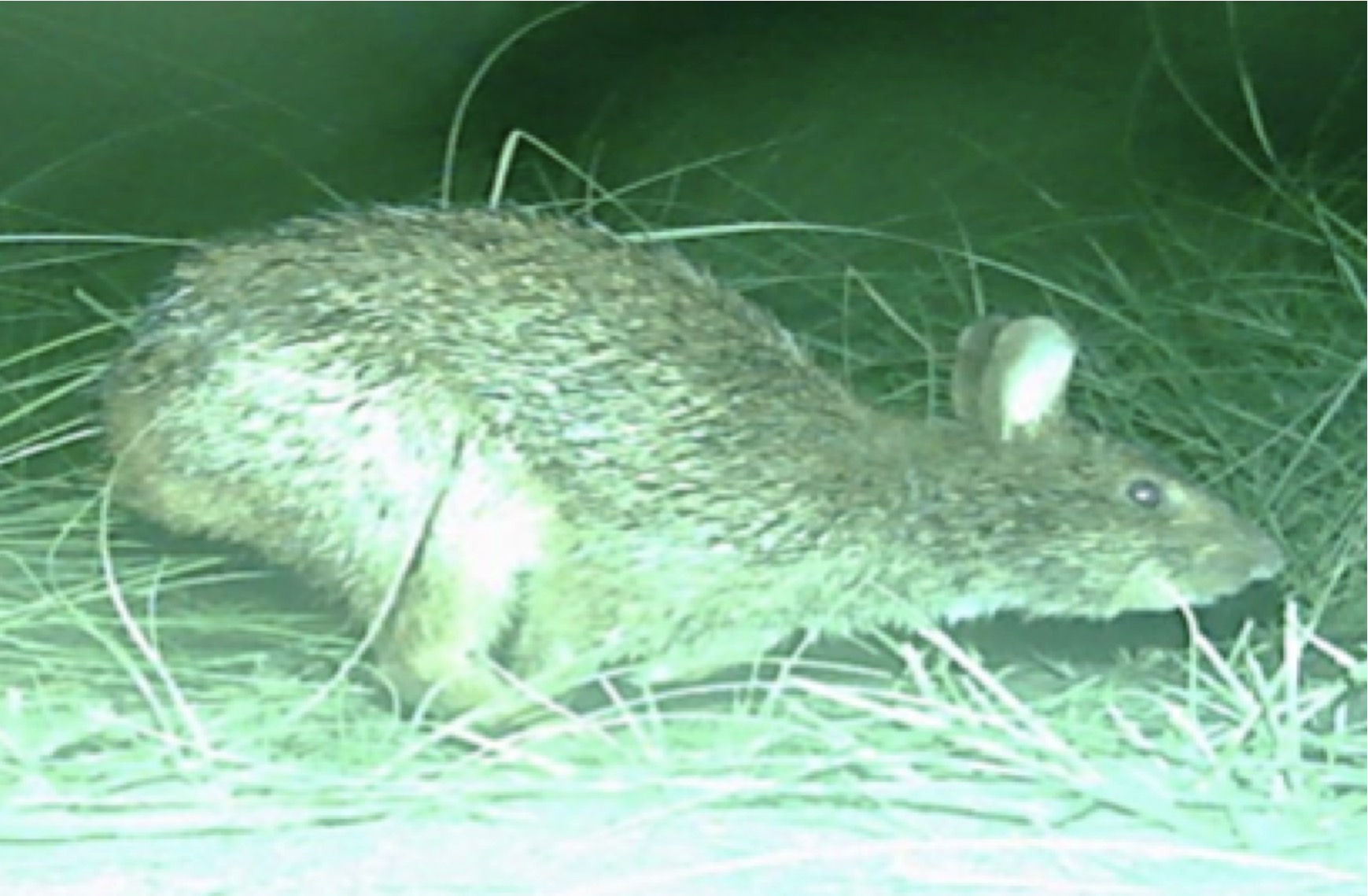
Endangered Hispid Hare (Caprolagus hispidus) in the Royal Manas National Park, Bhutan
Thursday, March 14, 2019
A recent study on the endangered hispid hare (Caprolagus hispidus) has been published. The Hispid hare has only been sighted in a few isolated pockets in the tropical grassland ecosystems of southern Asia. Knowledge of the current status and distribution of the species is limited. Historical samples, anecdotal sources, and sign surveys have suggested that the hispid hare could occur along the southern foothills of Bhutan. This is the first study to systematically assess its presence in the region. To optimize the detection of this elusive animal, camera traps were set up in the Royal Manas National Park (RMNP), Bhutan, spread over three different grassland areas. To maximize the probability of capturing images of the hispid hare, camera traps were randomly placed in batches in three different grassland areas chosen based on the preliminary sign survey. Over the survey period from March through May of 2015, 11 images of hispid hare were captured from a single camera trap station, confirming the present of this species in the Royal Manas National Park.
Do you have information concerning the current status and distribution of African Hare species?
As part of a master thesis of the University of Natural Resources and Life Sciences, Vienna (master’s program Wildlife Ecology and Wildlife Management) the current knowledge and data concerning the distribution of African Hare species with emphasis on the genus Lepus is reviewed.
Rabbit Hemorrhagic Disease virus 2 Confirmed in a Domestic Rabbit in the United States
Saturday, January 12, 2019
The presence of this virus was confirmed by the U.S. Department of Agriculture (USDA) in a recently released report. RHDV2 is a foreign animal disease that prior to this report had not been detected in domestic, feral, or wild rabbits
in the United States. Please distribute this Bulletin to your respective agency staff and local partners as appropriate.
Fading Stripes in Southeast Asia: Saving the Elusive Annamite Striped Rabbit
Thursday, January 10, 2019
Andrew Tilker is a doctoral student at the Leibniz Institute for Zoo and Wildlife Research and an Associate Conservation Scientist at Global Wildlife Conservation. He has worked for the past six years in Vietnam and Laos, with an emphasis on threatened Annamite endemic species, namely on Annamite striped rabbit. You can find more information on this work in the following paper, that is associate with this news.
Tilker, A. 2018. Fading stripes in Southeast Asia: Saving the elusive Annamite Stripped Rabbit. Capeia 20181218.016.
If you still didn't order, you can now order the new "Lagomorphs" book with 30% discount! Just go to https://jhupbooks.press.jhu.edu/content/lagomorphs , apply the Code “HLMS” at checkout and enjoy your reading! Thank you, Johns Hopkins!
CAUGHT ON CAMERA TRAPS: SUMATRAN RABBIT AT THE KERINCI SEBLAT NATIONAL PARK
Friday, July 7, 2017
The use of camera traps in Kerinci Seblat National Park was set up to monitor the tigers and its prey. Nonetheless, the presence of other animals, such as the rare Sumatran striped rabbit, was also noticed. As information for the future, Irene M. R. Pinondang and Wido R. Albertwe shared their unpublished findings on this rare species with yearly monitoring data and the survey effort to photograph the rabbit.
Lagomorphs - Pikas, Rabbits, and Hares of the World
Monday, May 8, 2017
The new lagomorphologist's bible will be released soon!!
"Lagomorphs - Pikas, Rabbits, and Hares of the World" (edited by Andrew T. Smith, Charlotte H. Johnston, Paulo C. Alves, and Klaus Hackländer) will be released next January, but you can pre-order it!
Thematic introductory chapters cover a broad spectrum of information about pikas, rabbits, and hares, from evolution, systematics, and diseases to lagomorph conservation status and management. Each animal account begins with the complete scientific and common names for each species. A description of the appearance and unique morphological characteristics is accompanied by a range of standard measurements of adult specimens. Subsequent sections discuss known paleontological data concerning the species, the current state of its taxonomy and geographic variation, and various aspects of the animal’s biology.
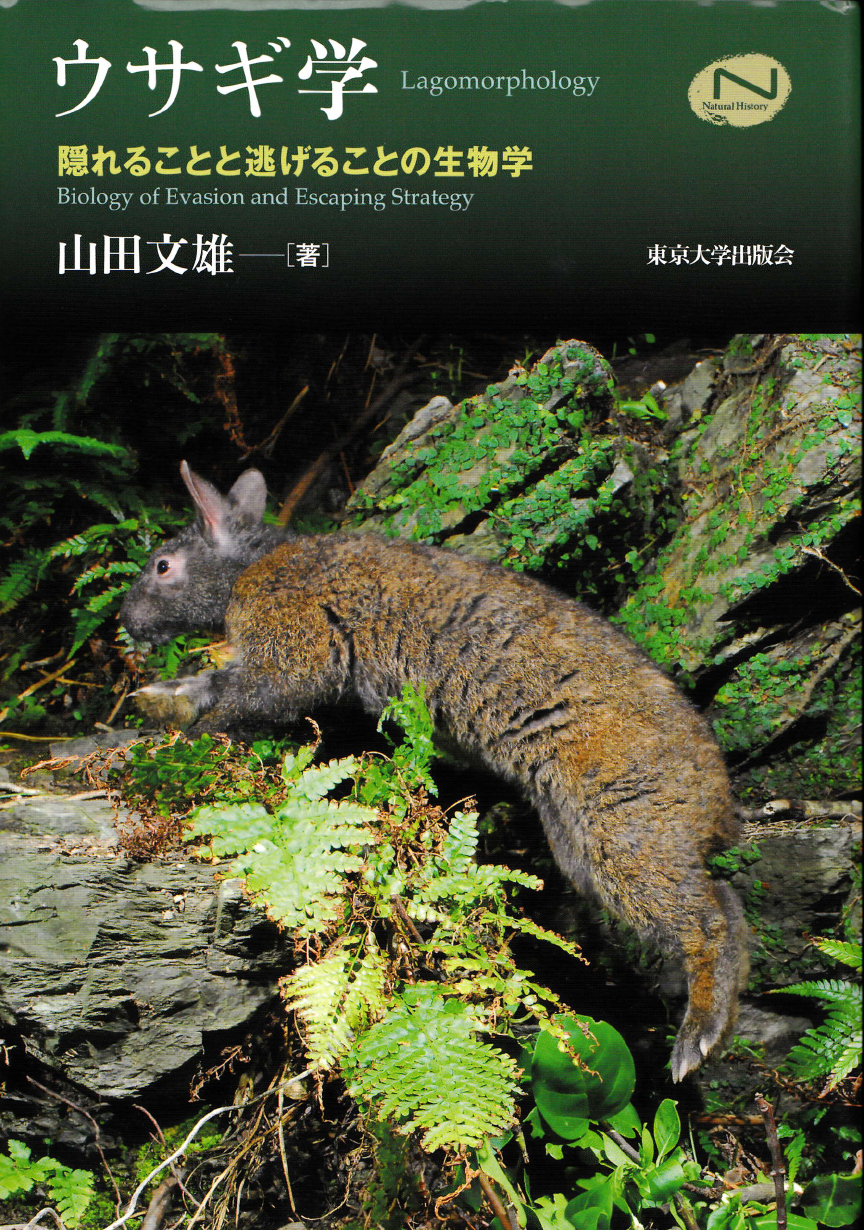
Lagomorphology: Biology of Evasion and Escaping Strategy
Monday, March 27, 2017
New release book "Lagomorphology: Biology of Evasion and Escaping Strategy" by Dr. Fumio Yamada.
This book was released last month in Japanese and is written for biologists, students, media, administrative officers, people of high interest, and others in Japan. It includes different species as Lepus brachyurous, Pentalagus furness and invasive Oryctolagus, as well as outline of biology of lagomorphs in general.
Lagomorph Workshop at the next IUGB Conference!
Wednesday, November 23, 2016
Dear colleagues,
we are glad to invite you to the 33rd IUGB congress, to be held from the 22nd to the 25th August 2017 in Montpellier, France.
WLS will organize a workshop on lagomorph management.
We kindly invite you to submit an abstract to present your last research works. Don't miss the December 31st deadline!
For more information, please visit our website at http://iugb2017.com.
Congratulations to our two student grant awardee attending WLC5
Thursday, September 8, 2016
Nishma Dahal (India) and Narayan Koju (Nepal) were supported by WLS to participate in the 5th World Lagomorph Conference this year. Both are conducting outstanding lagomorph research. Their projects are presented here.
Call for Applications: Prestigious IFM Student Travel Awards
Wednesday, September 7, 2016
12th International Mammalogical Congress (IMC12) of the International Federation of Mammalogists (IFM), Perth, Western Australia from 9th – 14th July 2017. Theme: “Advances in Mammalogy in a Changing World”
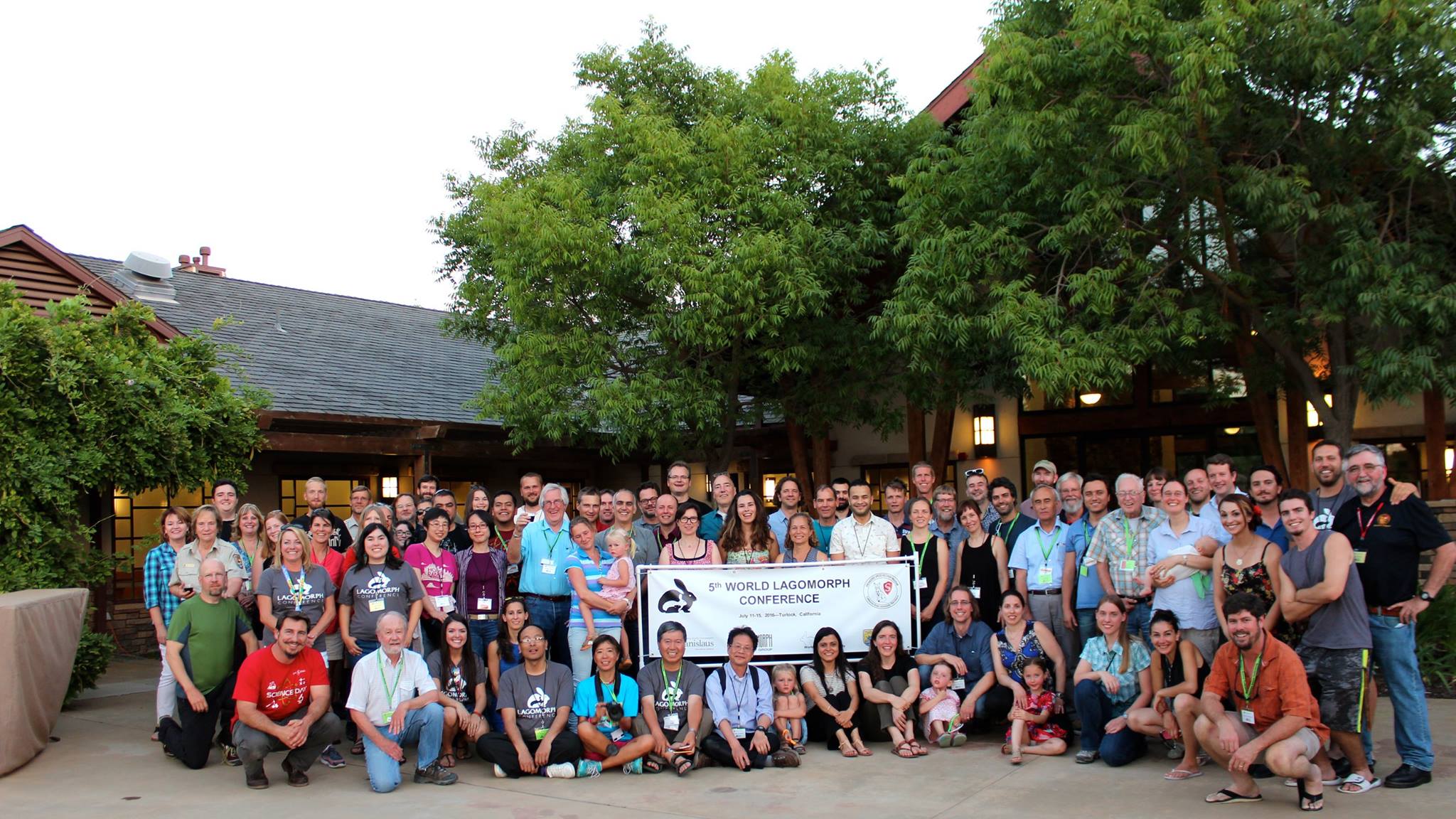
This summer, the 5th World Lagomorph Conference took place in California, USA. 68 participants from 23 countries presented and discussed the recent findings in lagomorph research and management.
The World Lagomorph Conferences, organized every four years on behalf of the World Lagomorph Society, are the main event for lagomorph researchers around the globe. This year, the scientists met on invitation by Patrick Kelly (California State University Stanislaus) and Andrew Smith (Arizona State University) in Turlock, California, USA. General sessions on "Lagomorphs and Climate Change", "Ecology, Behavior, Management, and Conservation", "Evolution", "Morphology and Physiology", and "Diseases" attracted 68 participants from 23 countries. The hosts provided a perfect event including an outstanding social programme.
During the conference, the World Lagomorph Society held a General Assembly, at which a new board was elected. Our French colleagues Heiko Rödl, Jerôme Letty, and Jean-Sebastian Guitton invited the WLS members to participate in the 6th World Lagomorph Conference in France! Merci!
LaGomiCs—Lagomorph Genomics Consortium: An International Collaborative Effort for Sequencing the Genomes of an Entire Mammalian Order
Monday, July 11, 2016
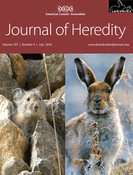
A recent perspective paper, published in the J. of Heredity, highlights the global importance of lagomorphs, and describe the initiative LaGomiCs, Lagomorph Genomics Consortium. LaGomiCs aims to provide an international framework for the sequencing of the genome of all extant and selected extinct lagomorphs. Sequencing the genomes of an entire order will provide a large amount of information to address biological problems not only related to lagomorphs but also to all mammals. At present, only the genomes of 2 species, the European rabbit (Oryctolagus cuniculus) and American pika (Ochotona princeps) have been sequenced, assembled and are currently available. But several ongoing genomic projects are addressing several other species, namely on Lepus.
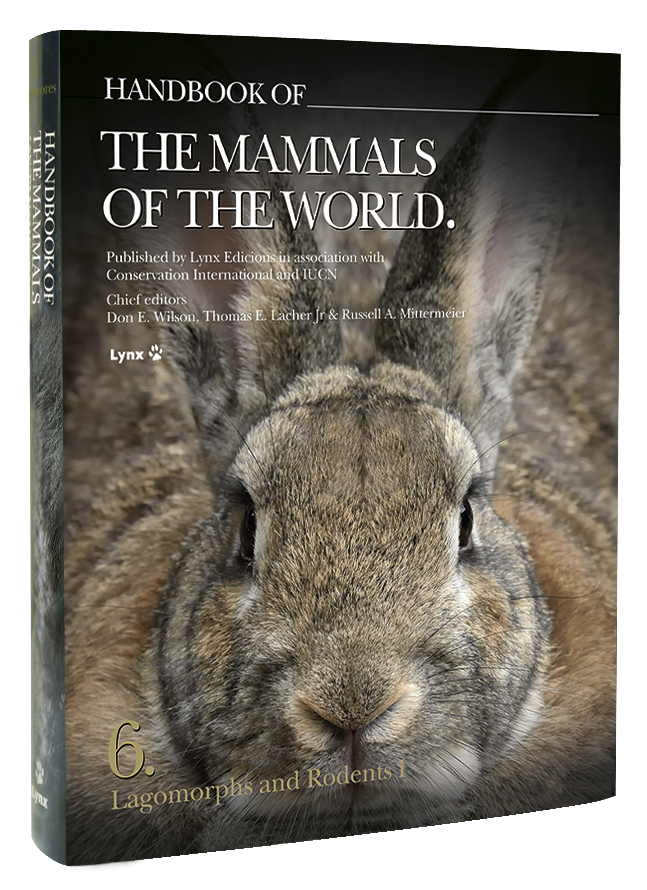
Handbook of the Mammals of the World: Lagomorphs and Rodents I available soon
Wednesday, May 25, 2016
Lagomorphs and Rodents I, the 6th volume of the Handbook of the Mammals of the World series, will soon be published by Lynx Edicions in association with Conservation International and IUCN. Now in the final stages of production, the volume will be available in late July. You can take advantage of the 20% pre-publication discount offer by ordering before July 31st at http://www.lynxeds.com/hmw/handbook-mammals-world-volume-6.
To benefit from future discounts please add the code WLS to the "Comments" section.
This volume includes the order Lagomorpha, plus all rodent familiex except suborder Myomorpha (to be treated in Volume 7). Each species is presented with a detailed text, one or more color illustrations and a distribution map. The family chapters offer a broader view of the different groups and include an impressive collection of color photographs that document the morphological aspects and behaviors of these fascinating creatures.
Note that Andrew Smith, Charlotte Johnston, Paulo C. Alves and Klaus Hackländer are currently editing the book Lagomorphs: The Pikas, Rabbits, and Hares of the World, published by John Hopkins University Press this year. This book gives an update on current challenges in lagomorph research and conservation, including taxonomy, diseases, climate change, etc.. In addition, it will present all lagomorph species with detailed chapters.
Hence, 2016 is THE Lagomorph Year with two outstanding books and the 5th World Lagomorph Conferenc in Turlock, CA, USA.
PhD project: Brown hares, Land use and predation risk
Thursday, December 3, 2015
See below for a description and link to application procedures for an exciting PhD project with Dr Philip Wheeler, Department of Environment, Earth and Ecosystems,The Open University, United Kingdom
A large mimotonid from the Middle Eocene of China sheds light on the evolution of lagomorphs and their kin
Monday, November 9, 2015
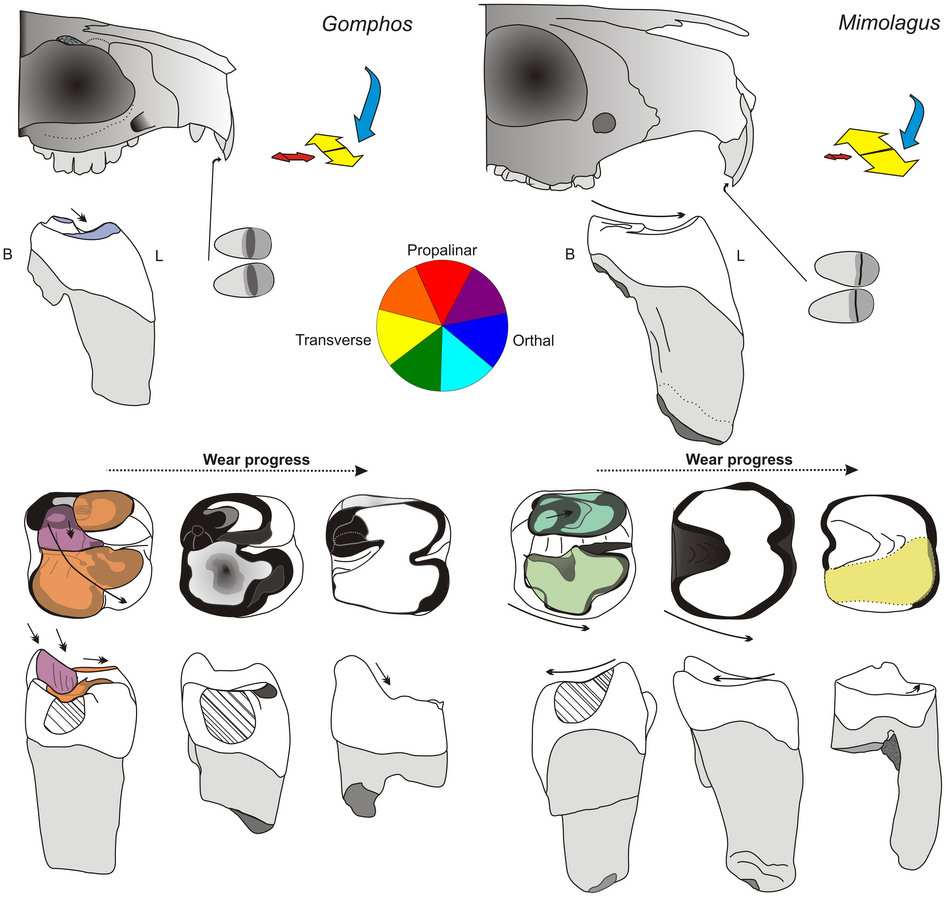
An interesiting paper was published recentely in Scientific Reports by Fostowicz-Frelik and co-authors (2015), sheding lights on the evolution of the Lagomoprps. According to these authors, Mimotonids share their closest affinity with lagomorphs and were a rare and endemic faunal element of Paleogene mammal assemblages of central Asia. This work describe a new species, Mimolagus aurorae from the Middle Eocene of Nei Mongol (China), that's belongs to one of the most enigmatic genera of fossil Glires, previously known only from the type and only specimen from the early Oligocene of Gansu (China). The new species is one of the largest known pre-Oligocene Glires. As regards duplicidentates, Mimolagus is comparable with the largest Neogene continental leporids, namely hares of the genus Lepus.
The College of Science, the Department of Biological Sciences, and the Endangered Species Recovery Program (ESRP) are pleased to announce that the 5th World Lagomorph Conference (WLC5) will be hosted by CSU Stanislaus, July 11-15, 2016!
Workshop on Lagomorph Biology, European Congress of Mammalogy ECM7, 17th August 2015
Friday, August 14, 2015
The World Lagomorph Society is organizing a workshop on Lagomorph Biology, monday August 17th, first day of the European Congress of Mammalogy, ECM7, Stockholm.
The main goal of this workshop is bringing together examples of challenges for lagomorphs due to changing environmental conditions. Lessons learned from various experiences in different regions will be discussed to work on management recommendations and ideas for future avenues of lagomorph research.This workshop will include general and lightening talks in the morning session and open discussion during the afternoon session (see program attach).
More than two-thirds of lagomorphs threatened by climate change
Friday, May 1, 2015
Researchers from the Institute of Global Food Security (IGFS), Queen’s University Belfast have found that more than two-thirds of lagomorphs are threatened by climate change. It has been predicted that climate change will have major effects on the ecology and distribution of many animal species. Now a newly published study suggests that lagomorphs will be particularly hard hit.
Katie Leach and a team of researchers at Queen’s University Belfast, collated, reviewed and assessed all published literature on interspecific interactions in the order Lagomorpha, and compared the biogeography, macroecology, phylogeny and traits of species known to interact with those of species with no reported interactions, to investigate how projected future environmental change may affect interactions and potentially alter species’ distributions.
I write to request images of as many lagomorph species as we can gather – for eventual publication in the forthcoming Lagomorphs: The Pikas, Rabbits and Hares of the World (Johns Hopkins University Press). I am looking for high quality images – and I can only select one image to represent each species – so I will be looking for how well the image represents the species. Feel free to submit up to 3 images for selection – we may later use some of the others for posting on the web-page of the IUCN/SSC Lagomorph Specialist Group (but only after acquiring appropriate permissions). If you have a terrific habitat image, or an image that depicts a critical behavior or morphological feature – feel free to submit these as well.
Wanted! Lagomorph specimen for Natural History Museum Porto, Portugal
Tuesday, January 13, 2015
The Natural History Museum of the University of Porto, Porto, Portugal, is designing a new Science Center focusing entirely on Biodiversity: the Hall of Biodiversity. One module in the new exhibit will present visitors with a stylized but scientifically accurate phylogenetic tree highlighting lagomorphs - complete with full taxidermied mounts of representative lagomorphs.
The organizers therefore request help in securing bodies of several species of rabbits, hares and pikas. Specifically they are looking to obtain a pika (Ochotona; any species); Sylvilagus (any species), Lepus timidus, L. americanus, and L. europaeus. For sure, if you had a complete specimen of another form, they would be willing to consider it.
Maria João Guimarães Fonseca
Museu de História Natural
Universidade do Porto
Praça Gomes Teixeira
4099-002 Porto
Portugal
E-mail: mjfonseca@cibio.up.pt
Rabbit artefact exhibition at Palarikovo Castle, Slovakia
Tuesday, December 9, 2014
The Palarikovo Castle in Slovakia hosts a unique collection of about 600 artefacts showing rabbits and alikes from all over the world. The exhibition is open until Easter 2015. For more information visit the following website: http://www.cic-wildlife.org/who-we-are/cic-museum-palarikovo/
At the recent Society of Vertebrate Paleontology meeting in Berlin, Germany, Susumu Tomiya (Field Museum of Natural History, Chicago, IL USA) presented new research that shows that ecological competation between lagmoprhs and ungulates likely restricted the body size of lagomorphs over millions of years.
3rd Conference of the North American Pika Consortium
Monday, October 20, 2014
The 3rd Conference of the North American Pika Consortium will be held April 16-17, 2015, in Golden, CO, at the American Mountaineering Center. The conference will highlight the diversity of research and monitoring being conducted on pikas of North America, and the advances being made in understanding their ecology and response to environmental changes.
The International Council for Game and Wildlife Conservation (CIC) aims at supporting researchers whose projects contribute to the sustainable use of wildlife for the benefit of natural heritage conservation. With the CIC Young Opinion Research Award 2015 CIC wants to promote scientific research in accordance with the spirit of CIC's convictions. Such research may cover any or all of the three main pillars of sustainable wildlife management: economic, socio-cultural and/or ecological.The deadline for candidacies is October 31st 2014. More information avaialble on attached pdf.
NEW STUDY: The Genomic Trail of Rabbit Domestication
Thursday, September 11, 2014
A new study in the journal Science explores the genomic changes associated with the domestication of the rabbit. The study reveals that while changes occurred throughout the genome of the rabbit, many genes associated with brain and neuronal develpoment were targeted during domestication.
See below for the abstract, links to the article and a related discussion piece.
NEW BOOK: The mountain hare in the Alps: A survivor artist with an uncertain future
Tuesday, June 24, 2014
Annoucing a new book on the Mountain Hares (Lepus timidis) of the alps. The book is written in German by WLS member Maik Rehnus. See below for an English summary.
Born from a cooperative initiative of the European COST Action TD1101, “A Collaborative European Network on Rabbit Genome Biology – RGB-Net” 2011-2015, and of the World Lagomorph Society (WLS), the Lagomorph Genomics Consortium (LaGomiCs) is an international research framework whose final objective is the sequencing of the genome of all extant and select extinct lagomorph species over the next 5 years.
The second meeting of the Lagomorph Genomics Consortium (LaGomiCs), will take place at Zagreb (Croatia), May 6-8, 2014. This meeting is Satellite event of the RGB-Net Management Committee meeting, and it is organized
in collaboration with the World Lagomorph Society.
Here's an exciting oportunity to do PhD research on the taxonomy and systematics of Lepus at Queen's University Belfast. Click ont he link for more details
NEW BOOK: The Biology and Identification of the Coccidia (Apicomplexa) of Rabbits of the World
Monday, August 5, 2013
Here is a new publication that should be of interest to almost every member of the World Lagomorph Society (WLS). The Biology and Identification of the Coccidia (Apicomplexa) of Rabbits of the World was published by Academic Press on June 14, 2013, and is available on Amazon.com. It is a taxonomic summation that evaluates the scientific and scholarly merit of virtually every paper published about Coccidia (Apicomplexa) from rabbits worldwide, thus providing a complete historical rendition of the known species. It is a guide to identification and treatment and is written in a style that can be understood by most educated lay persons and laboratory workers. It combines in 1 source, all the information that researchers, veterinarians, students, and others usually face in trying to find and navigate through this scattered literature. This book conceptually and historically summarizes the world's literature on apicomplexan parasites of rabbits and provides a quick guide to isolation procedures, identification, strategies for management, and available chemotherapy. Researchers in biology, parasitology, animal husbandry, rabbit raising, diseases of wild and domestic animals, faculty members in universities with graduate programs in these areas, colleges of veterinary medicine and agriculture, practicing veterinarians, farmers, students and other individuals involved in 4H should all be interested in this publication.
PNAS: Camouflage mismatch in seasonal coat color due to decreased snow duration
Monday, August 5, 2013
A recent cover of PNAS features a radio-collored Snowshoe Hare.
More from PNAS:
"The snowshoe hare is one of 10 mammal species worldwide that undergo seasonal changes in coat color that provide camou- flage in snow-covered terrain. The initiation dates of seasonal coat color change are influenced by photoperiod, and are unaffected by the presence of snow. L. Scott Mills et al. estimate that by the end of this century, the projected decline in the number of days with snow on the ground will substantially increase the exposure of white hares mismatched on a brown, snowless background."
WLS Member edited volume of Functional Ecology: Ecology of Stress
Tuesday, February 5, 2013
A new edited volume of Functional Ecology highlights several topics of interest to lagomorph reserachers. The open access articles can be accessed by clicking here.
Agency: Environmental and Forest Biology, SUNY College of Environmental Science and Forestry
Location: Syracuse, NY
Job Description: One Graduate Assistantship will be available to start in August 2013 to work on New England Cottontail (a Candidate for listing under the Endangered Species Act) and Eastern Cottontail interactions, demography, and habitat associations. Graduate research will focus on radio-telemetry and population genetics-based studies of dispersal, survival, recruitment, and habitat use of the two species. Successful applicant will teach for two fall semesters and be supported on a Graduate Research Assistantship for two spring semesters and two full years. The most qualified applicants will have strong wildlife field skills, experience using molecular techniques, and strong demonstrated skills in data analysis. Duties will include writing study plans, implementing cottontail trapping and telemetry surveys, habitat sampling, genetic sampling and analyses, supervising technicians and undergraduate assistants, and preparing reports and presentations for scientific audiences.
Qualifications: Applicants must have a M.S. in Wildlife, Conservation Biology, Biology, or similar area. Experience with field studies, including trapping and handling, of small or medium-sized mammals and molecular techniques is highly desirable.
Interested applicants should submit the following: letter of interest, names and contact information of three references, unofficial transcripts, GRE scores, and CV to: Dr. Jonathan Cohen or Dr. Sadie Ryan. Selected applicants will need to apply to the SUNY ESF Graduate School before acceptance.
Application emails: jcohen14@esf.edu; sjryan@vt.eduSalary: Teaching assistantship for first two fall semesters, research assistantship (starting $20,000/yr) first two spring semesters and final two years, tuition waiver, health benefits Last Date to apply: March 10, 2012 Contact:Dr. Jonathan Cohen (jcohen14@esf.edu) and Dr. Sadie Ryan (sjryan@esf.edu).
E-mail: jcohen14@vt.edu(Preferred)
Phone: 315-470-6763 (Cohen); 315-470-6757
Chicago Zoological Society: Chicago Board of Trade (CBOT) Endangered Species Fund
Tuesday, January 15, 2013
Dear LSG:
I am forwarding materials for the Chicago Zoological Society endangered species fund. I can only nominate one proposal per year, and if you have been declined there is a 2-year waiting period on re-submissions. And, applications are not being accepted for field research being conducted in the United States, Canada, Western Europe, European Union, Australia, New Zealand, Japan, S. Korea, Taiwan and Singapore. If you are interested, please contact me by 1 February and then I will get back to you (remember, if there is interest from more than one of you, I will have to make a choice!) – and early enough so that you have sufficient time to put together the full application.
Best Wishes,
Andrew
Andrew T. Smith
President's Professor and Parents Association Professor
A Collaborative European Network on Rabbit Genome Biology - RGB-Net
Wednesday, January 2, 2013
All biological fields are facing drastic redefinition and improvement of baseline knowledge derived from the tremendous amount of information coming from genomics technologies. The sequencing of complete genomes represents a prerequisite for full exploitation of the massive information generated by high throughput platforms and new approaches. Sequenced genomes will benefit zoology at all levels and several projects have been already started in this direction.
Katie Leach (kleach01@qub.ac.uk) is a PhD student of mine at Queen's University Belfast who has just started a project examining the response of the Order Lagomorpha to climate change (proposal attached for your information).
She will be constructing predictive models of change in the range of each species of Lagomorph under various climate change scenarios before further improving models by either including interspecific interactions or using focal case studies e.g. Arctic hares or Himalayan pikas.
We have obtained the IUCN ranges for the species which are polygons but want to try and obtain as much raw data for specific records as possible.
If you have any distributional data at all (records, digital maps, scanned hardcopy dot maps or whatever) for any species of Lagomorph that you are willing to share to ensure your species is adequately covered by our models I would ask that you contact Katie directly by e-mailing her anything that you feel might be useful.
If you have any queries or questions about the research please do not hesitate to contact Katie directly.
Many thanks,
Neil Reid
Quercus Centre Manager
Office 5.014 | School of Biological Sciences | Queen’s University Belfast | MBC | 97 Lisburn Road | BELFAST | BT9 7BL
While also hosted at the 4th World Lagomorph Conference web page, we are posting here the photo gallery of the conference. See photos of scientific sessions, evening events, and conference excursions below. Enjoy!
EDIT: If you'd like to see some more photos from WLC4, Pat Kelly has kidly passed along the link to his:
At the 4th World Lagomorph Conference the General Assembly of the World Lagomorph Society joyfully accepted the invitation of Patrick Kelly to held the 5th World Lagomorph Conference at the California State University in Stanislaus.
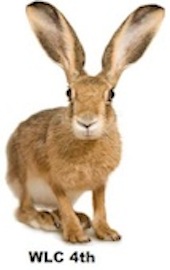
The 4th World Lagomorph Conference jointly organized by the World Lagomorph Society and the IUCN Lagomorph Specialist Group was hosted by the University of Natural Resources and Life Sciences, Vienna (BOKU), the University of Veterinary Medicine Vienna, the Natural History Museum Vienna and the Austrian Academy of Sciences. It was the fourth time that lagomorph scientist from all over the world came together to exchange ideas and discuss current and future trends in numerous fields of lagomorph biology and management. We were happy to welcome more than 150 colleagues from 33 countries, covering all continents except the Antarctic. This conference offered three general sessions on “Ecology, Behaviour, and Management”, “Phylogeny, Palaentology, Systematics, and Morphology” as well as “Physiology, Diseases, and Animal Production”. The conference was enriched by our plenary speakers Charley Krebs (University of British Columbia, Canada) and Lorenzo Capucci (IZSLER, Brescia, Italy). Moreover, we hosted five workshops, meetings, and roundtables on “Rabbit Genome Biology”, “Molecular Systematics and Conservation Genetics”, “Taxonomy”, “Palaeontology” and “Evolution of reproductive strategies”. In sum, the 4th World Lagomorph Conference offered a broad spectrum of current research in this fascinating mammalian taxon. Two artists endowed the conference lobby with photos and paintings of hares, rabbits, and pikas. Andrej Lissovsky provided a photoshow of several lagomorph species during the coffee and lunch breaks. We are grateful to the organizing and scientific committee for their terrific work and we appreciate the support of the Hunting Organisation of Lower Austria, the International Council for the Conservation of Game and Hunting CIC, Swarovski Optik, and the City of Vienna. With their help we had the unique opportunity to delve into detailed and fruitful scientific exchange in the course of our social programme, namely the Welcome Party in the festival room at BOKU, an evening at a typical Viennese wine tavern (Heurigen), a Gala Dinner at the Nautilus Restaurant in Vienna’s Natural History Museum, as well as two optional post-conference excursions to the Nationalpark “Neusiedler See Seewinkel” or the Rax mountain in the Viennese Alps.
The conference proceedings are ready to download at LagDocs.
4th World Lagomorph Conference
Saturday, June 2, 2012
The 4th World Lagomorph Conference is coming!
This conference brings together researchers on rabbits, hares and pikas from all continents, making it the most relevant meeting on Lagomorphs. Over 140 participants covering 28 countries have already registered in this 4th edition. All topics of lagomorph biology, management and history, will be covered either by presentations in general/topic sessions or in specific workshop and round tables.
The general assembly of the World Lagomoprh Society and the meeting of the IUCN/SSC Lagomorph Specialist Group (LSG) will also take place at the 4th World Lagomorph Conference.
See the provisional program at the conference website.
We are looking forward to meeting you in Vienna, Austria in the heart of Europe!
PhD Research Assistantship in Wildlife Ecology at the University of Idaho
Monday, April 16, 2012
Project Description: This research assistantship is part of an NSF-funded project to examine functional relationships and tradeoffs among habitat components. The PhD student will be responsible for evaluating thermal and security aspects of the relationships between pygmy rabbits (specialists) and cottontail rabbits (generalists) and their habitats. Activities will include construction of thermal physical models, animal capture and collaring, telemetry, measurement of habitat components in the field, participation in studies with captive animals, quantitative modeling of habitat selection, use of GIS to synthesize habitat features, and mentoring of undergraduate students.
This research is a collaborative effort that includes faculty, graduate and undergraduate students, and postdoctoral researchers from 3 universities (University of Idaho, Washington State University and Boise State University) and biologists and managers from collaborating agencies (Bureau of Land Management, Idaho Department of Fish & Game, US Forest Service).
Requirements: Applicants must have an M.S. or equivalent degree in biology, ecology, wildlife, or a related field. Strong quantitative skills, field experience, and a positive attitude are required. A record of field-based research and communication of science (publications and presentations) also is required. The candidate must be strongly interested in working in a collaborative and interdisciplinary team.
Start date: August 2012 or January 2013
Application: Please email or send a cover letter, curriculum vitae, copies of transcripts and GRE scores (unofficial copies of both are OK), and names/contact information for 3 references to:
Janet Rachlow
Department of Fish and Wildlife Science
P.O. Box 441136
University of Idaho
Moscow, ID 83844-1136
jrachlow@uidaho.edu (Please indicate application for PhD Assistantship in the email subject line)
Review of applications will begin on 20 April 2012 and continue until a candidate is selected.
Many species of Lagomorphs (hares, rabbits and pikas), particularly those withinthe same Genus (for example, Lepus) exist in mutually exclusive allopatry. Species ranges rarely overlap with sympatry tending to be a temporally transient phenomenon. Each species, in the absence of another, can inhabit the potential range of its closest geographical neighbours, but upon contact each usually retreats to its preferred optimum habitat. However, demonstrating ecological competition in the wild is notoriously difficult and is usually inferred using broad-scale biogeographical patterns of species occurrence.
This 3 year studentship aims to examine the processes which contribute to the global distribution of Lagomorphs (all 92 species) including biogeography, ecology and interspecific interactions. Ecological niche modelling will be developed to include interspecific interactions and range edge effects.
An additional element of this project will also examine the responses of the Order to climate change and their physical adaptations which contribute to their ecological niche separation. In particular there may be a focus on Arctic species and the likely impact of future land cover changes in the region.
Quercus, Queen’s University Belfast
Closing date 29th February 2012
4th World Lagomorph Conference to be held from July 24 to July 27, 2012 in Vienna, Austria
Thursday, July 14, 2011
Dear Lagomorph Researcher,
it is our pleasure to send you the 1st announcement of the 4th World Lagomorph Conference
to be held from July 24 to July 27, 2012 in Vienna, Austria.
This meeting, organized every 4 years on behalf of the World Lagomorph Society (www.worldlagomorphsociety.org)
and in cooperation with the IUCN SSC Lagomorph Specialist Group (http://www.ualberta.ca/~dhik/lsg/INDEX.HTM), brings together
researchers on rabbits, hares, and pikas from all continents. It provides a perfect
opportunity to share up-to-date knowledge in the all fields of basic and applied
science in this fascinating mammalian order.
Please register at www.boku.ac.at/wlc4
and share this announcement with your colleagues.
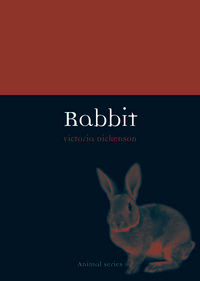
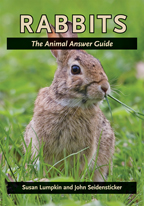
Rabbits: The Animal Answer Guide; Susan Lumpkin and John Seidensticker; Johns Hopkins University Press
Thursday, April 7, 2011
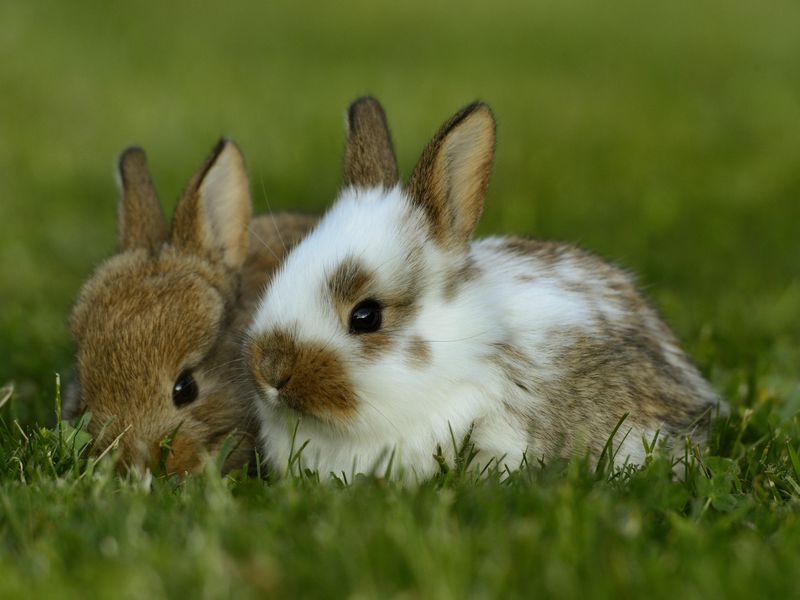
Did you know that there are more than 90 species of rabbits, hares, and pikas, rabbits'
little-known cousins? And that new species are still being found? Or that baby rabbits
nurse from their mothers only once a day? How about that some people brew medicinal
tea from rabbit pellets? Wildlife conservationists Susan Lumpkin and John Seidensticker
have all the answers—from the mundane to the unbelievable—about the world's leaping
lagomorphs.
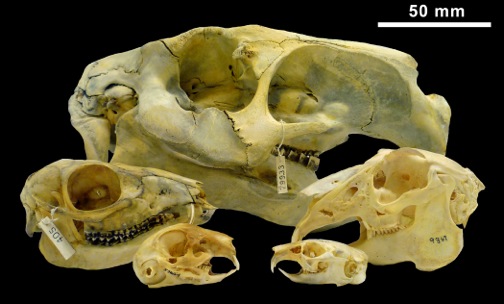
Nuralagus rex: Giant extinct rabbit that didn't hop
Monday, March 28, 2011
(PhysOrg.com) -- On the small island of Minorca, a popular European tourist destination,
researchers have unearthed an enormous fossil rabbit skeleton. A recent study published
in the Journal of Vertebrate Paleontology highlights this new find off the coast
of Spain. This massive rabbit, aptly named the Minorcan King of the Rabbits (Nuralagus
rex), weighed in at 12 kg (26.4 lbs)! Approximately ten times the size of its extinct
mainland cousin (Alilepus sp.) and six times the size of the living European rabbit,
Oryctolagus cuniculus.
In spite of their reputation as prolific breeders, nearly one in four rabbits, hares and pikas - from the order known as lagomorphs - are classified as Threatened on the IUCN Red List of Threatened Species™. Lagomorphs are considered to be ‘keystone species’, as they have an effect on the environment that is disproportionate relative to their numbers.
Celebrations begin on Thursday 3 February 2011 to mark the Chinese New Year and
the start of the Year of the Rabbit. However, as we enter this new cycle in the
Chinese zodiac, conservationists are warning that, in spite of their reputation
as prolific breeders, nearly one in four rabbits, hares and pikas - from the order
known as lagomorphs - are classified as Threatened on the IUCN Red List of Threatened
Species.
The 85th Annual Conference of the German Society of Mammalogy
Monday, January 31, 2011
The 85th Annual Conference of the German Society of Mammalogy will be held in Luxembourg
from 13th-17th September 2011. Main topics Main topics: Wildlife Biology and Mammal
Conservation in Europe.
For pre-registering please send an email to dgs2011@anf.etat.lu
Post-release GPS tracking of hand-reared Irish hare leverets
Tuesday, January 11, 2011
A novel and innovative coupling of traditional radio-tags with new GPS loggers to
track hand-reared Irish hare Lepus timidus hibernicus leverets after release
into the wild has been developed.
ECM6 - 6th European Congress of Mammalogy, Paris, 19-23rd July 2011
Tuesday, January 11, 2011
The MNHN, INRA, CNRS, SFEPM, and the European Society of Mammalogy are very pleased
to announce that the next meeting will be held in the heart of Paris in the Historical
Botanical Garden. The aim of the conference will be to gather all forces of European
Mammalogy and to update our knowledge in Taxonomy, Phylogeny, Evolution, Ecology,
Biogeography, Conservation of Mammals.
The Chicago Zoological Society administers the Chicago Board of Trade (CBOT) Endangered Species Fund, which supports conservation-oriented research.
The grant attracts dozens of innovative research projects each quarter, and the most promising of these are awarded funding.
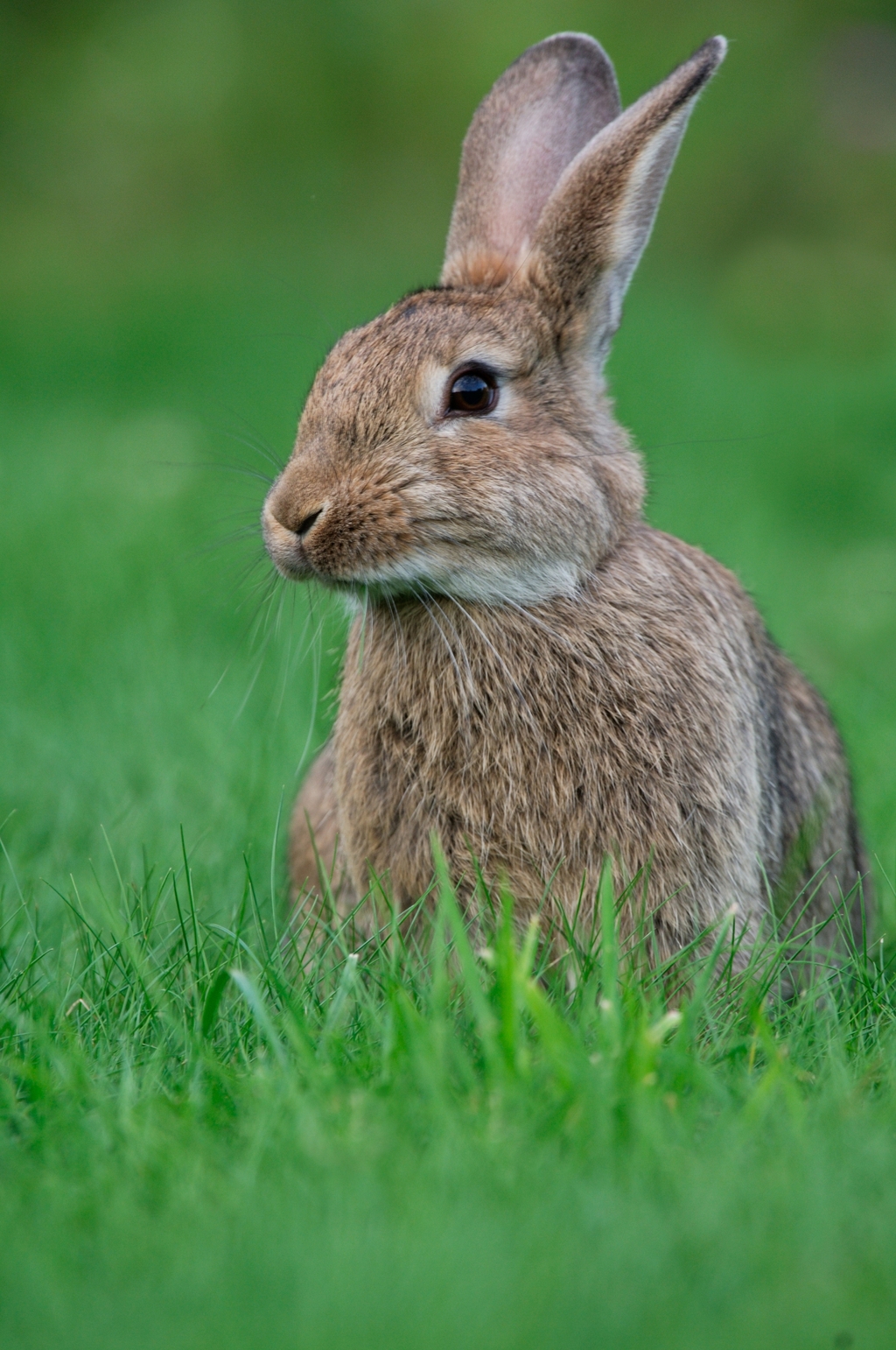
The European rabbit, Oryctolagus cuniculus, originated in the Iberian peninsula and is the precursor of all domestic rabbits. Humans have been hunting and eating the European rabbit for over 120,000 years, but the rabbit was only domesticated in the year 600 AD.
Second International Congress “Problematic Wildlife: Conservation and Management.”
Monday, November 15, 2010
Given the huge success and interest aroused by the first edition of this conference, done in Montefiascone (Viterbo, ITALY) on 8-9 June 2007, after four years, it was decided to repeat this opportunity to meet and study, in view of cyclical event.


.jpeg)



_running.jpg)













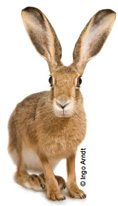 Dear Lagomorph Researcher,
 Did you know that there are more than 90 species of rabbits, hares, and pikas, rabbits'
little-known cousins? And that new species are still being found? Or that baby rabbits
nurse from their mothers only once a day? How about that some people brew medicinal
tea from rabbit pellets? Wildlife conservationists Susan Lumpkin and John Seidensticker
have all the answers—from the mundane to the unbelievable—about the world's leaping
lagomorphs.
Did you know that there are more than 90 species of rabbits, hares, and pikas, rabbits'
little-known cousins? And that new species are still being found? Or that baby rabbits
nurse from their mothers only once a day? How about that some people brew medicinal
tea from rabbit pellets? Wildlife conservationists Susan Lumpkin and John Seidensticker
have all the answers—from the mundane to the unbelievable—about the world's leaping
lagomorphs.
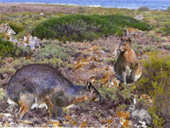 (PhysOrg.com) -- On the small island of Minorca, a popular European tourist destination,
researchers have unearthed an enormous fossil rabbit skeleton. A recent study published
in the Journal of Vertebrate Paleontology highlights this new find off the coast
of Spain. This massive rabbit, aptly named the Minorcan King of the Rabbits (Nuralagus
rex), weighed in at 12 kg (26.4 lbs)! Approximately ten times the size of its extinct
mainland cousin (Alilepus sp.) and six times the size of the living European rabbit,
Oryctolagus cuniculus.
(PhysOrg.com) -- On the small island of Minorca, a popular European tourist destination,
researchers have unearthed an enormous fossil rabbit skeleton. A recent study published
in the Journal of Vertebrate Paleontology highlights this new find off the coast
of Spain. This massive rabbit, aptly named the Minorcan King of the Rabbits (Nuralagus
rex), weighed in at 12 kg (26.4 lbs)! Approximately ten times the size of its extinct
mainland cousin (Alilepus sp.) and six times the size of the living European rabbit,
Oryctolagus cuniculus.
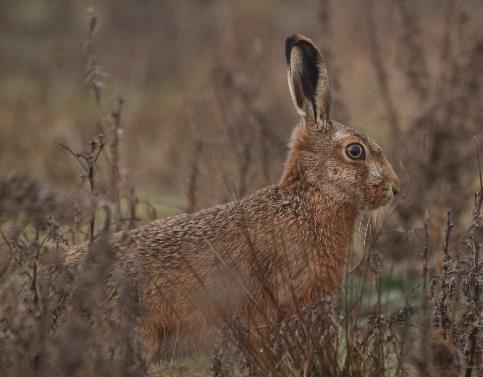
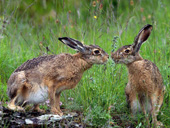 A pair of hares play in the springtime in Italy’s Casentino Forest National Park.
 Celebrations begin on Thursday 3 February 2011 to mark the Chinese New Year and
the start of the Year of the Rabbit. However, as we enter this new cycle in the
Chinese zodiac, conservationists are warning that, in spite of their reputation
as prolific breeders, nearly one in four rabbits, hares and pikas - from the order
known as lagomorphs - are classified as Threatened on the IUCN Red List of Threatened
Species.
Celebrations begin on Thursday 3 February 2011 to mark the Chinese New Year and
the start of the Year of the Rabbit. However, as we enter this new cycle in the
Chinese zodiac, conservationists are warning that, in spite of their reputation
as prolific breeders, nearly one in four rabbits, hares and pikas - from the order
known as lagomorphs - are classified as Threatened on the IUCN Red List of Threatened
Species.
 The 85th Annual Conference of the German Society of Mammalogy will be held in Luxembourg
from 13th-17th September 2011. Main topics Main topics: Wildlife Biology and Mammal
Conservation in Europe.
The 85th Annual Conference of the German Society of Mammalogy will be held in Luxembourg
from 13th-17th September 2011. Main topics Main topics: Wildlife Biology and Mammal
Conservation in Europe. A novel and innovative coupling of traditional radio-tags with new GPS loggers to
track hand-reared Irish hare Lepus timidus hibernicus leverets after release
into the wild has been developed.
A novel and innovative coupling of traditional radio-tags with new GPS loggers to
track hand-reared Irish hare Lepus timidus hibernicus leverets after release
into the wild has been developed.